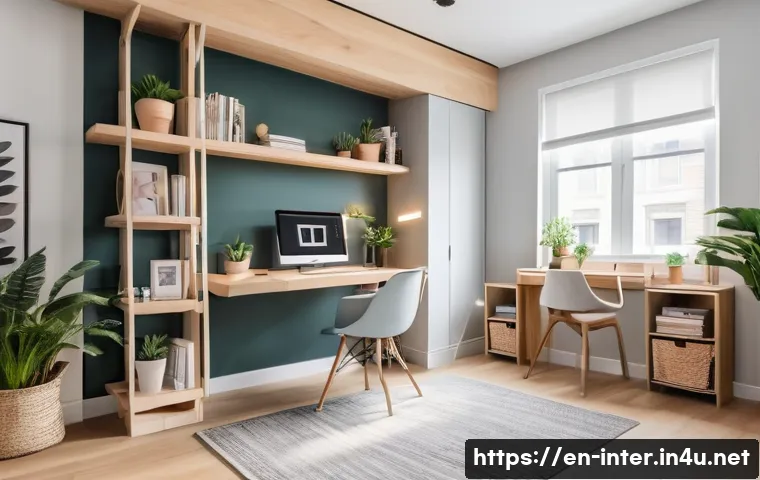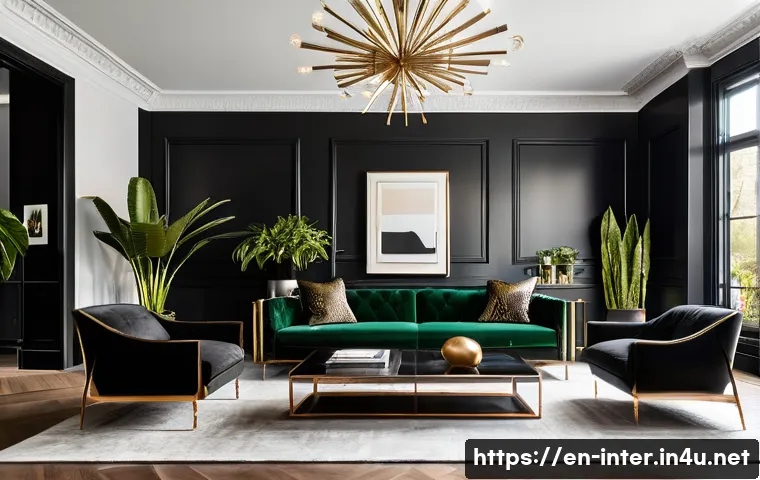
There’s something undeniably captivating about black interiors—they add a sense of drama, sophistication, and timeless elegance to any space. Whether you’re aiming for a bold modern look or a cozy, intimate vibe, black can be surprisingly versatile when used thoughtfully.
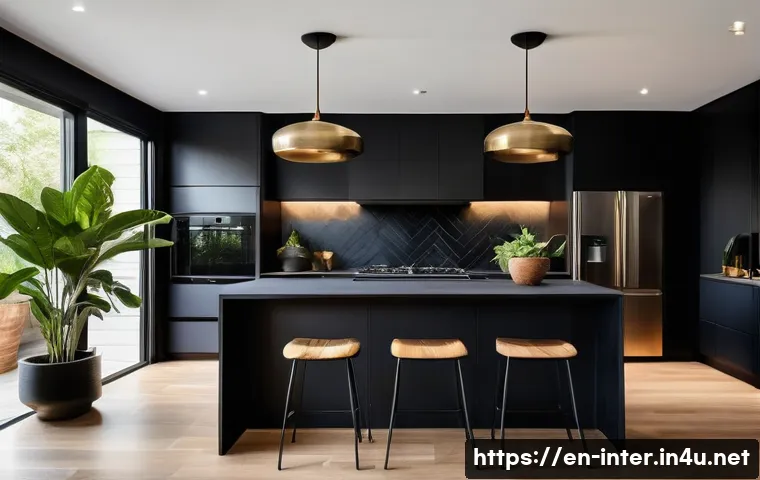
From matte walls to glossy accents, this color creates a striking contrast that highlights textures and shapes beautifully. I’ve noticed that incorporating black elements can instantly elevate a room’s mood, making it feel both luxurious and inviting.
If you’ve ever wondered how to balance darkness without overwhelming your space, you’re in the right place. Let’s dive deeper and explore how to master the art of black interior styling!
Playing with Light and Shadow to Enhance Black Interiors
Understanding the Role of Lighting in Black Spaces
When you bring black into your interiors, lighting becomes your best friend—or worst enemy. From my experience, natural light can soften the intensity of black walls, making a room feel open and airy rather than cave-like.
I’ve found that positioning mirrors opposite windows not only amplifies daylight but also creates a dynamic interplay of light and shadow that adds depth.
On the flip side, artificial lighting choices can make or break the mood. Warm, layered lighting with dimmers works wonders in making black spaces feel inviting and cozy, while stark, cool lighting tends to highlight the drama but can sometimes feel cold.
Balancing ambient, task, and accent lighting ensures your black interiors never feel flat or oppressive.
Using Shadows to Highlight Architectural Details
One of the coolest things I’ve noticed about black interiors is how shadows can become design elements themselves. When light grazes over textured black walls or intricate moldings, it creates subtle patterns that wouldn’t be visible on lighter walls.
This effect makes the space feel alive and tactile. For example, a matte black wall with a rough plaster finish catches shadows differently than a glossy black tile backsplash, turning everyday surfaces into focal points.
It’s almost like the room tells a story through light and shadow, which adds a layer of sophistication that’s hard to replicate with other colors.
Choosing the Right Fixtures and Bulbs
Picking fixtures that complement black interiors is a delicate dance. I’ve learned that metals like brass, copper, or brushed gold pop beautifully against black backgrounds, injecting warmth and a touch of luxury.
When it comes to bulbs, soft white or warm LED bulbs create a welcoming atmosphere, especially in living rooms or bedrooms. In contrast, cooler bulbs might work better in black-themed kitchens or bathrooms for a modern, crisp vibe.
It’s essential to test how your chosen bulbs interact with black surfaces before committing, as the wrong combination can feel harsh or unbalanced.
Textures and Materials That Bring Black to Life
Mixing Matte and Glossy Finishes
Black isn’t just a flat color; it’s a playground for textures. I’ve played around with combining matte black walls with glossy black tiles or lacquered furniture, and the contrast is stunning.
Matte surfaces absorb light, creating a soft, velvety backdrop, while glossy finishes reflect light and add a dynamic shine. This mix prevents the space from feeling monotonous or dull.
Plus, it highlights different design elements—imagine a matte black wall behind a glossy black kitchen island, or a matte black sofa paired with shiny black side tables.
The tactile contrast makes each element stand out on its own while contributing to a cohesive look.
Incorporating Natural Materials for Balance
One trick I swear by is using natural materials alongside black to avoid a cold or sterile atmosphere. Wood, especially in warm tones like walnut or oak, adds an organic softness that complements black beautifully.
Leather, linen, and wool also work well to introduce texture and warmth. For instance, a black leather armchair paired with a chunky wool throw or a wooden dining table against black cabinetry creates a tactile richness that feels both luxurious and welcoming.
These materials ground the black and make the space feel lived-in and approachable.
Using Fabrics and Rugs to Add Depth
Soft furnishings are game-changers in black interiors. When I added plush velvet cushions or a shaggy rug in deep jewel tones like emerald or sapphire, the room instantly felt more layered and cozy.
Rugs with subtle patterns or mixed fibers can break up large black areas and add visual interest without overwhelming the palette. It’s about creating little pockets of comfort and color that invite you to linger.
Plus, these textiles absorb sound, which helps prevent black rooms—often prone to echo—from feeling too stark or uninviting.
Balancing Black with Colors and Accents
Using Contrast to Create Visual Interest
Black is bold, but pairing it with the right colors makes it sing. I’ve found that whites and creams provide a crisp contrast that feels fresh and modern, especially in spaces like kitchens and bathrooms.
Bright pops of color—think mustard yellow, burnt orange, or cobalt blue—can energize black interiors without clashing. The key is restraint: a few well-placed accent pieces like vases, cushions, or artwork can punctuate the space and keep it from feeling too heavy.
Sometimes, even metallic accents like chrome or gold can act as “colors” by reflecting light and adding sparkle.
Creating Mood with Color Temperature
Color temperature plays a subtle but crucial role in black interiors. Cooler colors like icy blues or silvery grays paired with black create a sleek, futuristic vibe, perfect for minimalist or industrial styles.
Warmer tones, on the other hand, such as terracotta, deep reds, or warm beige, make black feel more approachable and cozy. I’ve experimented with both and noticed how the overall energy of a room shifts dramatically depending on these accents.
It’s like choosing the soundtrack for your space—each color temperature sets a different mood.
Strategic Placement of Artwork and Decor
Artwork and decor are the finishing touches that can make or break a black interior. I recommend choosing pieces that stand out against black walls—whether through bold colors, bright frames, or metallic finishes.
Large-scale art with vibrant hues can serve as a statement centerpiece, while smaller, curated collections add personality without cluttering. For decor, ceramics, glass objects, or plants in bright pots bring life and break up the darkness.
Placement matters too—clustering items at eye level or creating visual “rest” spots ensures the room feels balanced and thoughtfully designed.
Furniture Choices That Complement Black Interiors
Opting for Sleek, Minimalist Pieces
Furniture with clean lines and minimalist design often pairs best with black interiors. When I swapped out bulky, ornate pieces for streamlined sofas and tables, the space instantly felt more open and modern.
The simplicity of the furniture allows the black surfaces to shine without competing for attention. Materials like metal, glass, and leather often enhance this aesthetic.
For example, a low-profile black leather sofa with thin metal legs against a black wall creates a sophisticated, almost gallery-like vibe.
Introducing Statement Furniture to Anchor the Space
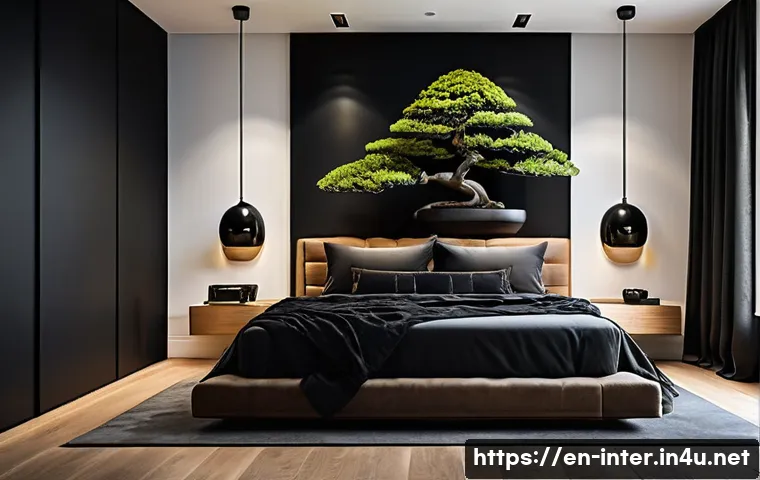
Sometimes, one bold piece of furniture can elevate the entire room. I once added a deep green velvet armchair in a black living room, and it became the focal point everyone noticed.
Statement furniture with unique shapes, colors, or textures adds character and breaks up the monochrome palette in the best way. Think sculptural coffee tables, velvet ottomans, or vintage sideboards.
These pieces inject personality and can act as conversation starters while still harmonizing with the overall black scheme.
Ensuring Comfort and Functionality
Black interiors can sometimes feel intimidating or overly formal, but comfort should never be sacrificed. I always prioritize plush cushions, ergonomic shapes, and cozy throws to soften the look.
It’s important to remember that a beautiful space is also a livable one. Mixing functional furniture with luxurious materials creates a balance that makes black interiors not only stunning but also welcoming.
For example, a black velvet sofa paired with soft pillows and a warm throw blanket invites you to sit down and relax, turning style into comfort.
Incorporating Greenery and Natural Elements
Choosing Plants That Thrive in Low Light
Adding plants to black interiors is a game-changer for warmth and vibrancy. I’ve learned that some greenery thrives even in rooms with limited natural light, like snake plants, pothos, or ZZ plants.
These hardy options not only bring life but also provide a refreshing color contrast that brightens up black walls. Plus, plants improve air quality and add a sense of calm that balances the drama of black interiors.
It’s amazing how a few well-placed pots can transform a room’s energy.
Using Planters as Decorative Accents
The choice of planters can either blend into the background or become a design statement. I prefer using planters in materials like matte black ceramic, terracotta, or woven baskets to add texture and complement the overall scheme.
Metallic planters in gold or copper also add a luxe touch when paired with black. The size and shape of planters matter too—tall, slender pots work well in corners, while low, wide bowls make great centerpieces.
This thoughtful layering of plant and planter creates a natural, curated look.
Combining Greenery with Other Natural Elements
Beyond plants, incorporating other natural elements like stones, driftwood, or shells can enrich black interiors. I once styled a coffee table with a cluster of black volcanic rocks and a small bonsai, and it felt like a mini zen garden.
These elements add tactile interest and help ground the space in nature. Pairing greenery with natural textiles like jute rugs or linen curtains completes the look, making black interiors feel balanced and harmonious rather than stark or artificial.
Key Tips and Common Pitfalls to Avoid
Maintaining Balance to Prevent Overwhelming Darkness
One thing I’ve learned is that too much black can easily make a room feel oppressive or claustrophobic. To avoid this, it’s important to maintain a balance by mixing black with lighter colors, textures, and natural light.
Breaking up large black surfaces with accents or furniture keeps the eye moving and prevents a heavy atmosphere. Also, avoid using black as the sole color on all walls or ceilings unless you’re going for a very specific moody vibe with ample lighting.
Being Mindful of Room Size and Function
Black interiors aren’t one-size-fits-all. In smaller rooms, too much black can shrink the space visually, so it’s better to use it as an accent or on just one wall.
For functional spaces like kitchens or offices, black can sometimes show fingerprints or dust more clearly, so materials and finishes matter. Matte finishes hide imperfections better than glossy ones in high-traffic areas.
I always recommend testing small areas first to see how black works with the room’s size and purpose.
Investing in Quality Materials for Longevity
Since black shows wear and tear more readily than lighter colors, investing in high-quality materials is crucial. I’ve noticed that cheaper paints or fabrics tend to fade or look worn quickly, which detracts from the polished look black interiors promise.
Durable, easy-to-clean surfaces like powder-coated metals, treated leathers, or premium mattes maintain their elegance longer. This investment not only keeps your space looking fresh but also saves money and hassle in the long run.
| Aspect | Recommended Approach | Common Mistakes |
|---|---|---|
| Lighting | Use layered, warm lighting with dimmers; maximize natural light with mirrors | Relying on harsh, cool lighting or insufficient light sources |
| Textures | Mix matte and glossy finishes; incorporate natural materials like wood and leather | Using only flat black surfaces without texture variation |
| Color Accents | Add pops of warm or cool colors strategically; use metallics for sparkle | Overloading with too many bright colors or ignoring contrast |
| Furniture | Choose minimalist, sleek pieces; add statement furniture for personality | Using bulky, ornate furniture that competes with black elements |
| Greenery | Incorporate low-light plants with decorative planters | Ignoring natural elements or choosing plants that won’t thrive indoors |
| Maintenance | Invest in high-quality, durable materials; test finishes first | Using cheap paints or fabrics that fade and show wear quickly |
Closing Thoughts
Black interiors offer a bold and sophisticated design choice that can transform any space when handled thoughtfully. By carefully balancing light, texture, and accents, you can create rooms that feel both inviting and dramatic. From my experience, the key lies in layering elements and selecting materials that bring warmth and depth to black surfaces. With the right approach, black interiors become timeless, elegant, and full of personality.
Useful Information to Keep in Mind
1. Layering different types of lighting—ambient, task, and accent—helps soften black interiors and prevents them from feeling too dark or closed in.
2. Combining matte and glossy textures adds visual interest and depth, making black surfaces feel dynamic rather than flat.
3. Introducing natural materials like wood and leather creates warmth and balances the boldness of black.
4. Thoughtful pops of color and metallic accents can energize the space and prevent monotony.
5. Low-light tolerant plants not only brighten the room but also add life and freshness to black interiors.
Essential Takeaways for Successful Black Interiors
Creating a stunning black interior requires balancing darkness with light and texture to avoid a heavy or oppressive atmosphere. Prioritize quality materials and test lighting options to ensure the space feels comfortable and inviting. Use natural elements and well-chosen color accents strategically to add warmth and personality. Avoid overusing black in small spaces or functional areas where maintenance can become challenging. Ultimately, thoughtful layering and attention to detail turn black interiors into elegant, livable environments that stand the test of time.
Frequently Asked Questions (FAQ) 📖
Q: How can I use black in my interior without making the space feel too dark or small?
A: Great question! The key is balance. Pair black walls or furniture with plenty of natural light and lighter tones like whites, creams, or warm woods to create contrast and prevent the room from feeling claustrophobic.
Reflective surfaces like mirrors or glossy finishes can also bounce light around and add depth. Personally, I found that incorporating black as an accent—say, a black fireplace or cabinetry—while keeping the rest of the room bright really keeps things cozy yet open.
Layering textures helps too, so the space feels rich, not flat.
Q: What types of black finishes work best for different interior styles?
A: It really depends on the mood you want to create. Matte black finishes offer a modern, understated elegance and work beautifully in minimalist or contemporary settings.
Glossy or lacquered blacks bring a sense of luxury and drama, perfect for glam or art deco-inspired interiors. Satin or eggshell blacks are a nice middle ground, adding subtle sheen without overwhelming.
I’ve personally experimented with mixing matte black walls with glossy black accents like light fixtures or hardware, and that contrast adds so much character and visual interest to the space.
Q: How do I incorporate black in small rooms without overwhelming the space?
A: In small rooms, less is definitely more when it comes to black. Use black as an accent color rather than the dominant shade—think black picture frames, cushions, or a single black piece of furniture.
Adding black trim or molding can also create a chic outline without closing in the room. Another tip I’ve found useful is to keep the ceiling and larger surfaces light to maintain openness, then strategically place black elements to add depth and sophistication.
Even small touches like black hardware or a black lamp can elevate the entire room without feeling heavy.