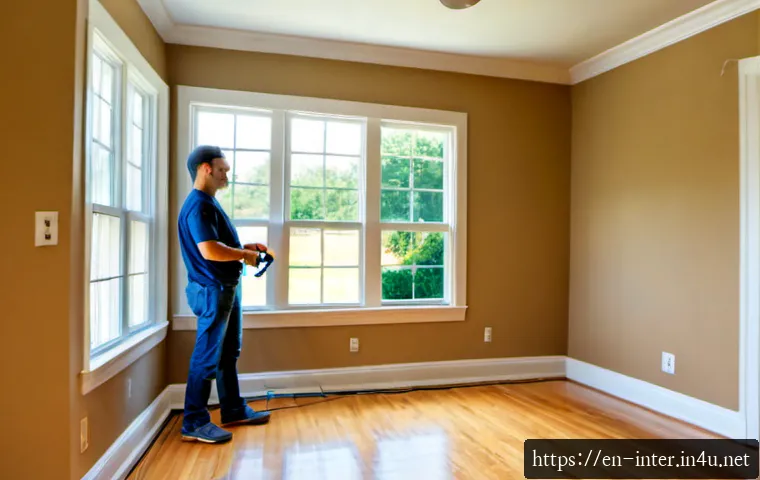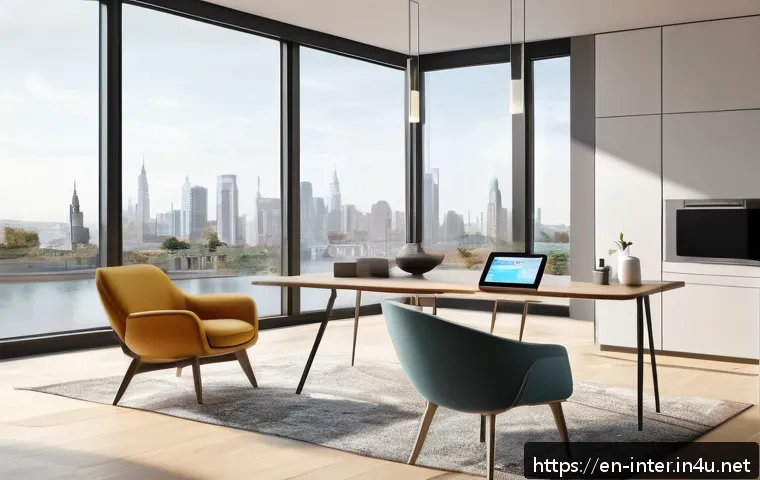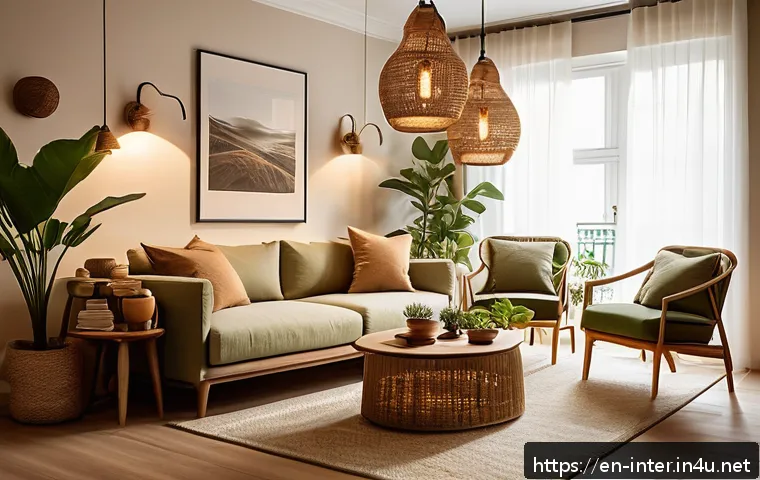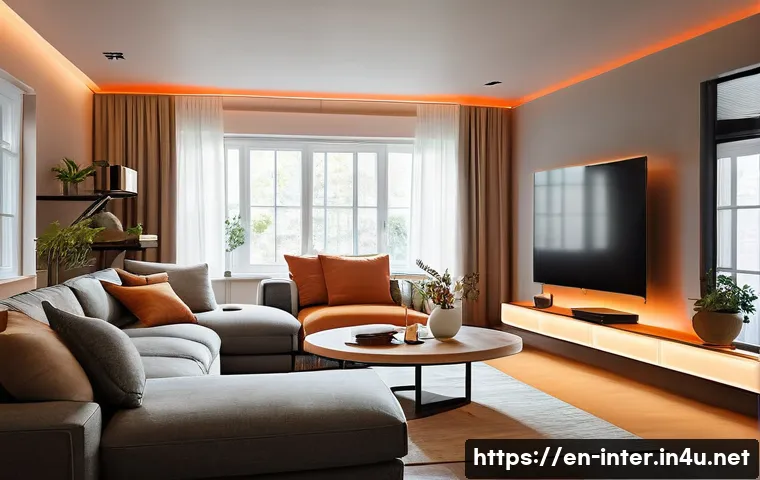
Living in a small room can feel challenging when it comes to arranging furniture without making the space feel cramped. Yet, with the right strategies, even the tiniest rooms can be transformed into cozy, functional havens.
Clever furniture placement not only maximizes space but also enhances comfort and style. From choosing multi-purpose pieces to optimizing flow, there are simple tricks that can make a big difference.
If you’ve ever struggled with fitting everything in, you’re not alone—and the good news is, solutions are within reach. Let’s dive into practical tips that will help you make the most out of your compact space!
Maximizing Vertical Space for a Roomier Feel
Using Tall Shelves and Wall-Mounted Storage
One of the easiest ways to free up floor space in a small room is by thinking vertically. Tall shelves draw the eye upward, making the ceiling feel higher and the room more open.
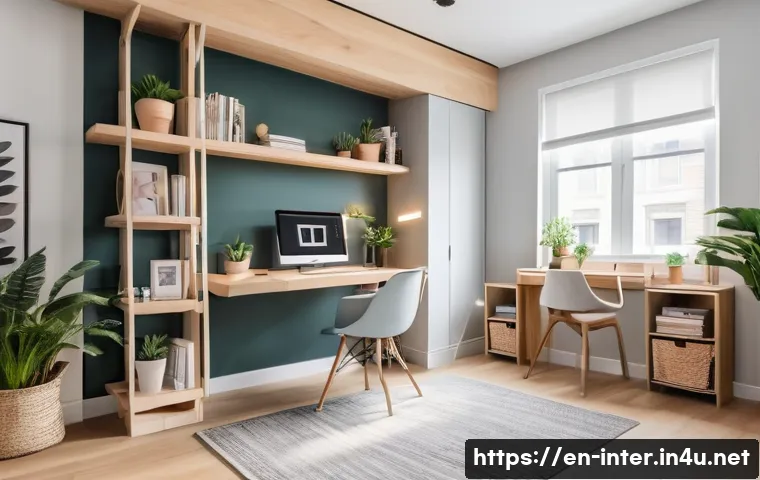
I’ve personally found that wall-mounted shelves not only add storage but also keep clutter off surfaces like desks and nightstands. Floating shelves are great for books, plants, or decorative items, and because they don’t take up floor space, you can place them above beds or desks without feeling cramped.
Plus, installing hooks or pegboards on walls can hold bags, hats, or even kitchen utensils if your space doubles as a studio. This approach is a game-changer for small apartments where every inch counts.
Incorporating Multi-Level Furniture
Furniture that offers multiple levels or tiers can help you use vertical space smartly. For example, a bunk bed with a desk underneath or a loft bed with storage options below makes the most of the height in a room.
I once switched to a loft bed setup in my tiny studio, and it instantly freed up the floor area for a cozy reading nook. Even side tables or coffee tables with shelves beneath add storage without spreading out horizontally.
Look for pieces that serve dual purposes vertically, which will give your small room a more open and organized vibe.
Strategic Placement of Mirrors to Enhance Height
Mirrors aren’t just decorative; they play a subtle role in enhancing a room’s perceived size. Hanging a large mirror vertically can amplify the height of the room by reflecting light and creating an illusion of space.
When I added a tall mirror next to my window, it not only brightened the room but also made the ceiling appear higher. Position mirrors opposite windows or near light sources to maximize this effect.
It’s a simple trick that doesn’t require any major furniture rearrangements but can dramatically change the feel of a small room.
Choosing Furniture That Adapts to Your Needs
Opting for Foldable and Expandable Pieces
In small rooms, furniture that can change size or function is a lifesaver. Foldable desks, expandable dining tables, or collapsible chairs can be tucked away when not in use, instantly opening up space.
I’ve used a fold-down wall desk in my studio that serves as a workspace during the day and disappears at night, giving me more breathing room. This flexibility is ideal if your small room serves multiple purposes, such as a home office, guest room, or lounge area.
Before buying, consider how often you’ll need the furniture and whether it can easily be stored or transformed.
Investing in Modular and Stackable Furniture
Modular furniture allows you to customize the layout according to your current needs. Pieces that can be stacked or rearranged give you control over how much space they occupy at any time.
For instance, stackable ottomans or cubes can be used as seats, tables, or storage and then neatly piled up when you want more open floor space. I once arranged modular sofas in different configurations depending on the occasion—movie nights versus casual hangouts—making my small living room much more versatile and comfortable.
Hidden Storage Solutions Within Furniture
Furniture with built-in storage is like a secret weapon in compact spaces. Beds with drawers underneath, ottomans that open up, or coffee tables with hidden compartments keep your belongings out of sight but within easy reach.
When I switched to a storage bed, I gained so much extra room for linens and seasonal clothes without needing a bulky dresser. This not only reduces clutter but also gives the room a cleaner, more spacious appearance.
Look for pieces where storage is cleverly integrated without sacrificing style.
Enhancing Flow and Accessibility to Avoid Cluttered Feelings
Creating Clear Pathways for Movement
When arranging furniture in a small room, the flow of movement is crucial. Blocking pathways with bulky pieces can make even a decently sized room feel cramped and frustrating.
I always try to keep at least 24 to 30 inches clear for walking between furniture, which makes the space feel more open and less claustrophobic. Planning your layout around natural traffic patterns—for example, from door to window or bed to desk—helps the room function smoothly and keeps it inviting.
Limiting Visual Clutter with Minimalist Choices
A crowded room often feels smaller simply because there’s too much going on visually. Choosing furniture with clean lines and avoiding overly ornate or bulky designs can create a sense of calm and openness.
I’ve noticed that even small decorative items can add up and make a space feel busy, so I stick to a few meaningful pieces instead of trying to fill every surface.
Keeping color schemes light and consistent also helps maintain an airy atmosphere, making the room appear larger than it is.
Utilizing Rugs and Lighting to Define Zones
In multifunctional small rooms, defining different zones can help organize the space and improve flow. Using rugs to anchor seating areas or lighting to highlight workspaces creates a sense of order.
For example, a small area rug under a chair or desk can visually separate that spot from the rest of the room, making it feel intentional rather than cluttered.
Good lighting—whether natural or layered artificial light—also enhances the perception of space and makes the room more comfortable to use.
Smart Color and Material Choices for Spaciousness
Light Colors and Reflective Surfaces
Light colors on walls, floors, and furniture instantly make a room feel larger and brighter. I’ve found that whites, pastels, and soft neutrals bounce light better, which helps open up tight spaces.
Reflective surfaces like glass, metal, or glossy finishes also amplify light and create a sense of depth. For example, a glass coffee table or mirrored cabinet can add function without visual weight.
Avoiding dark, heavy tones in small rooms is key unless balanced with plenty of light and open layout.
Mixing Textures to Add Depth Without Bulk
While keeping colors light is helpful, texture adds warmth and interest, preventing the room from feeling sterile. Incorporating soft fabrics like velvet cushions, woven rugs, or linen curtains creates layers that invite you in.
I like to mix smooth and rough textures to add depth without overwhelming the senses, which can sometimes happen in tiny rooms with too many shiny or flat surfaces.
This approach makes the space feel cozy but still open and airy.
Choosing Transparent or Open Furniture
Furniture that doesn’t block the eye can make a small room feel less crowded. Pieces made of acrylic, glass, or with open legs create a floating effect.
For instance, an acrylic chair or a coffee table with a glass top takes up physical space but doesn’t create a visual barrier, which helps maintain a sense of openness.
I replaced a bulky wooden chair with a clear acrylic one, and the room immediately felt less cramped while still keeping the style intact.
Maximizing Storage Without Sacrificing Style
Vertical Storage Units and Narrow Cabinets
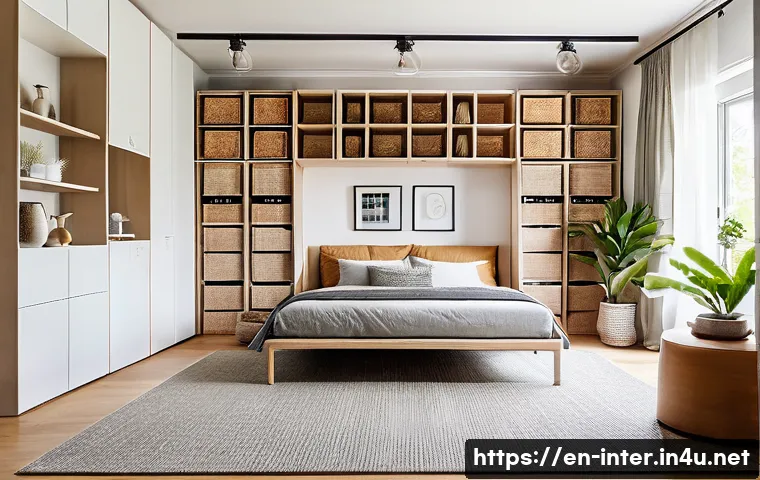
Narrow storage units or tall cabinets fit snugly into corners or against walls, providing ample storage without eating into floor space. I’ve used slim wardrobes and vertical bookcases that slide into tight spots, which freed up the main areas for seating or work.
These pieces are perfect for storing clothes, books, or kitchenware in small apartments, and they keep everything organized and accessible without cluttering the room.
Under-Bed and Behind-Door Storage
The space under the bed is often underutilized but offers significant storage potential. Rolling bins or vacuum-sealed bags can store seasonal items or extra bedding without hassle.
Similarly, behind-the-door organizers hold shoes, accessories, or cleaning supplies in plain sight but out of the way. I once outfitted the back of my bedroom door with hooks and pockets, which instantly added useful storage without changing the room’s layout.
Stylish Baskets, Bins, and Decorative Boxes
Open baskets and decorative storage boxes are a flexible way to keep clutter contained while adding personality. Choosing containers that complement your room’s color palette and style turns storage into a design element.
I prefer woven baskets for laundry or magazines because they’re lightweight and easy to move around. These containers can be placed on shelves, under tables, or in corners, making storage accessible and visually appealing.
| Storage Solution | Benefits | Best For |
|---|---|---|
| Tall Shelves | Maximize vertical space, keep floor clear | Books, decor, plants |
| Foldable Furniture | Space-saving, flexible use | Desks, tables, chairs |
| Hidden Storage Furniture | Clutter-free look, dual purpose | Beds, ottomans, coffee tables |
| Under-Bed Storage | Utilizes often wasted space | Seasonal clothes, bedding |
| Wall Hooks and Organizers | Easy access, keeps items off surfaces | Bags, hats, kitchen tools |
Lighting Techniques to Expand Visual Space
Layering Ambient, Task, and Accent Lighting
Good lighting is essential in a small room to avoid a cramped or gloomy atmosphere. I’ve learned that layering different types of lighting—ambient for general illumination, task for specific activities, and accent for highlighting features—creates a dynamic, inviting space.
For example, a ceiling light combined with a desk lamp and some LED strip lights behind shelves made my studio much more pleasant and visually spacious.
This layered approach also lets you adjust the mood and function of the room easily.
Maximizing Natural Light and Window Treatments
Letting in as much natural light as possible helps a small room feel airy and open. I recommend using sheer curtains or blinds that can be fully pulled back during the day.
Avoid heavy drapes that block light and make the room feel darker and smaller. If privacy is a concern, frosted window films or light-filtering shades provide coverage without sacrificing brightness.
Positioning mirrors opposite windows can also double the natural light effect, brightening the entire space.
Using Reflective Surfaces to Amplify Light
Beyond mirrors, reflective surfaces like metallic finishes, glass furniture, or glossy tiles can bounce light around a room. I’ve used a metallic lamp base and a glass tabletop to reflect sunlight and lamp glow, which visually enlarges the space.
This technique works especially well in rooms with limited windows, where every bit of light counts. Just be mindful of glare or harsh reflections that could be uncomfortable, and aim for a balanced, soft glow instead.
Creating Zones to Enhance Functionality and Comfort
Defining Spaces with Furniture Arrangement
In a small room, clearly defined zones help make the space feel purposeful and less chaotic. Arranging furniture to create distinct areas—like a sleeping corner, a work desk, and a relaxation nook—can improve comfort and usability.
I like to angle a chair near a lamp for reading, separate from the bed area, which makes the room feel larger by breaking it into smaller “rooms” within one.
Even small rugs or shelving units can act as visual dividers without closing off the space.
Flexible Furniture for Multi-Use Zones
Furniture that serves multiple functions enables you to switch zones quickly. For instance, a sofa bed can transform a living area into a guest room, and a foldable desk can turn a bedroom corner into an office.
I’ve used a rolling cart as a movable side table and storage unit, which adapts to different needs throughout the day. This flexibility keeps the room from feeling static and cramped and allows for better flow depending on your activities.
Incorporating Personal Touches Without Overcrowding
Adding personal decor like photos, art, or plants makes a small room feel like home, but overdoing it can backfire. I’ve found that selecting a few meaningful pieces and rotating them seasonally keeps the space fresh without overwhelming it.
Using vertical display options like hanging plants or wall art keeps surfaces clear. A well-curated, minimal approach to decor maintains a cozy vibe while preserving open space and function.
Conclusion
Maximizing small spaces is all about smart choices and creative solutions. By using vertical storage, versatile furniture, and thoughtful lighting, you can transform even the tiniest room into a comfortable, functional haven. I’ve experienced firsthand how these strategies open up space and improve daily living. With a little planning and the right pieces, your room can feel much larger and more inviting.
Useful Tips to Remember
1. Prioritize vertical storage like tall shelves and wall-mounted organizers to free up floor space and keep things tidy.
2. Choose foldable or modular furniture that adapts to your needs and helps you switch between activities easily.
3. Use mirrors strategically to reflect light and create the illusion of height and openness.
4. Define different areas with rugs and lighting to improve flow and make multifunctional rooms feel organized.
5. Keep color schemes light and mix textures to add warmth without making the room feel crowded.
Key Takeaways
Efficient use of vertical space and flexible furniture is essential for small rooms. Incorporating hidden storage keeps clutter out of sight, enhancing the sense of openness. Thoughtful lighting and reflective surfaces amplify natural light, visually expanding the space. Maintaining clear pathways and limiting visual clutter ensures the room feels inviting rather than cramped. Lastly, personalizing your space with minimal, meaningful decor keeps it cozy without sacrificing functionality.
Frequently Asked Questions (FAQ) 📖
Q: What are the best types of furniture to choose for a small room to save space?
A: When living in a small room, opting for multi-functional furniture is a game changer. Pieces like a sofa bed, storage ottomans, or foldable tables help you save space without sacrificing comfort.
For example, a bed with built-in drawers can eliminate the need for extra dressers, freeing up floor space. I’ve personally found that investing in furniture with hidden storage keeps the room tidy and makes the area feel more open and less cluttered.
Q: How can I arrange furniture in a small room to avoid making it feel cramped?
A: The key to furniture arrangement in a compact space is to create a natural flow and avoid blocking pathways. Placing larger pieces against the walls opens up the center of the room, making it feel bigger.
I like to keep walkways clear and use smaller, lightweight furniture that can be easily moved around when needed. Mirrors and light-colored furniture also help reflect light and give the illusion of more space, which really brightens up the room and makes it feel less confined.
Q: Are there any quick tricks to make a small room feel cozier without overcrowding it?
A: Absolutely! Adding soft textiles like rugs, throw pillows, and curtains can instantly warm up a small room without adding bulk. I also recommend using vertical space for storage—think tall bookshelves or wall-mounted shelves—to keep the floor area free.
Another trick I’ve tried is layering lighting with lamps and string lights instead of relying on a harsh overhead light; this creates a cozy atmosphere without cluttering the room.
These small touches make a huge difference in making a compact space feel inviting rather than cramped.