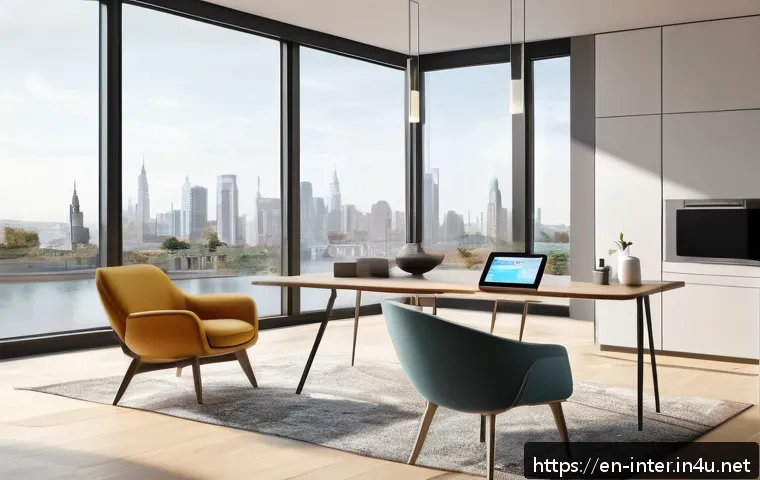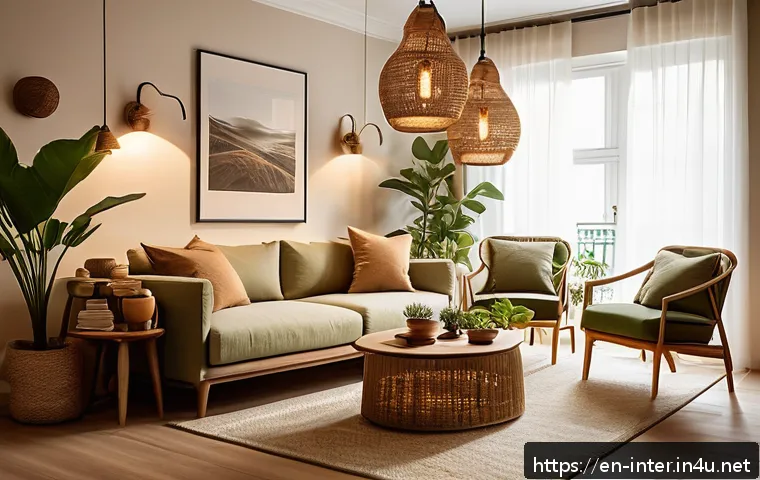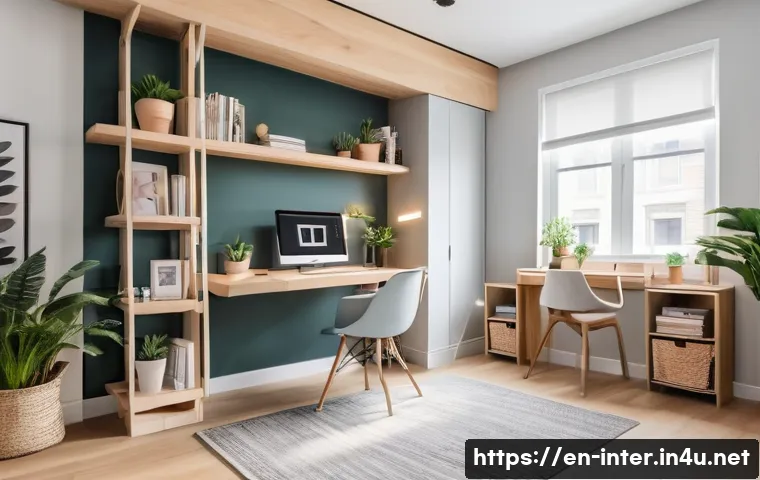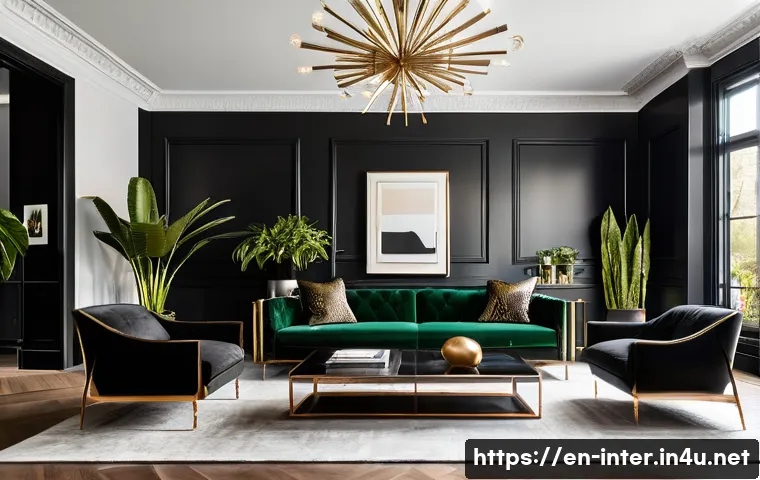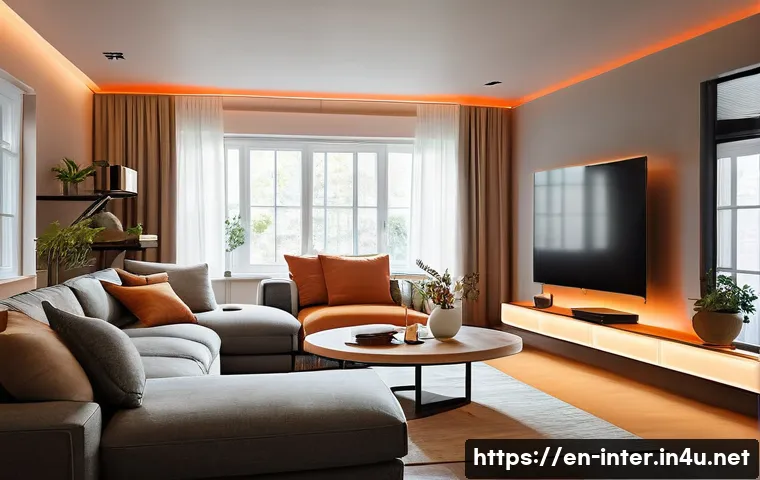
Transforming your living space with smart home interior items is no longer just a futuristic idea—it’s becoming a daily reality for many. From intelligent lighting that adapts to your mood to voice-controlled thermostats that optimize comfort and energy use, these innovations blend convenience with style.
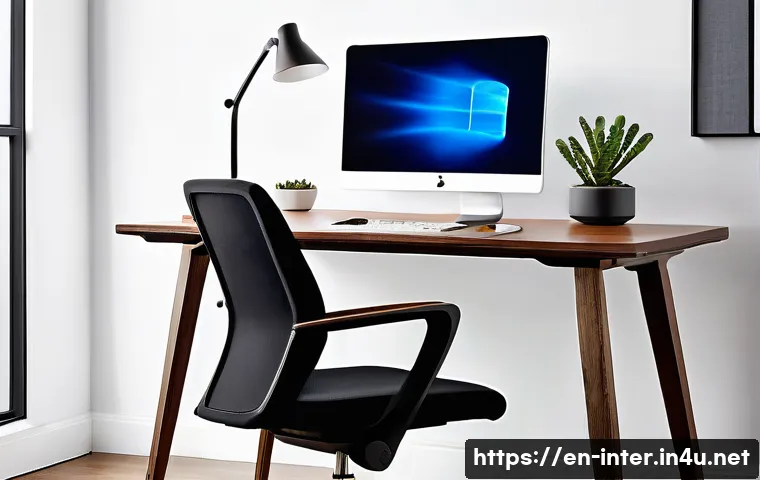
Incorporating smart gadgets can elevate your home’s functionality while reflecting your personal taste. Whether you’re a tech enthusiast or just starting to explore, the right smart home accessories can make a significant difference.
Let’s dive in and explore how to seamlessly integrate these smart solutions into your interior design for a smarter, more comfortable home!
Creating Atmosphere with Adaptive Lighting
Dynamic Mood Settings for Every Occasion
When I first experimented with smart lighting systems, I was amazed at how effortlessly they could transform a room’s vibe. Whether you’re hosting a cozy movie night or gearing up for a lively dinner party, adaptive lighting lets you tailor colors and brightness to fit the mood.
These lights often come with preset scenes or allow you to customize your own, so you can switch from warm, calming hues to vibrant, energetic tones with just a voice command or app tap.
The ability to program schedules also means your home can wake up gently with soft illumination or wind down with dimmed, soothing light, creating a natural rhythm that enhances daily living.
Energy Efficiency Meets Style
Beyond aesthetics, smart lighting systems help trim your electricity bills without sacrificing style. I noticed that by integrating motion sensors and timers, lights automatically turn off when no one’s in the room, cutting down unnecessary energy use.
Plus, many smart bulbs boast LED technology, which lasts significantly longer than traditional bulbs and consumes less power. You don’t have to compromise on the look either—these bulbs come in various shapes and finishes that complement modern, rustic, or minimalist interiors, blending functionality with design seamlessly.
Voice Control and Automation
One of my favorite features is controlling lighting through voice assistants like Alexa, Google Assistant, or Siri. This hands-free approach is especially handy when your hands are full or when you want to create an instant atmosphere without moving around.
Automation options allow your lighting to respond to your routines—imagine the lights dimming as you start your evening meditation or brightening as you begin your morning workout.
These smart systems are intuitive and can even sync with other smart home devices, making your space smarter and more responsive every day.
Optimizing Comfort with Smart Climate Control
Personalized Temperature Settings
Smart thermostats are a game-changer for comfort and energy savings. From my own experience, being able to set different temperatures for various rooms or adjust settings remotely through an app is incredibly convenient.
For example, you can warm up your bedroom just before bedtime or cool down your living area during a summer afternoon without wasting energy on empty rooms.
The learning capabilities of many smart thermostats also impressed me—they observe your habits and adjust accordingly, ensuring optimal comfort without constant manual input.
Integration with Other Smart Devices
What really elevates the experience is how smart climate devices work in tandem with other gadgets. For instance, pairing your thermostat with smart window shades or fans can create a balanced airflow that reduces heating or cooling demands.
I also found that linking climate control with motion detectors can make your home more energy-efficient by only adjusting temperatures when someone is present.
This interconnected ecosystem not only improves comfort but also simplifies managing your home environment.
Energy Usage Insights and Savings
Most smart thermostats provide detailed reports on energy consumption, which I found eye-opening. These insights help identify patterns and opportunities to save on utility bills.
Some models even suggest tweaks to your schedule or temperature settings based on weather forecasts or your typical daily routine. This proactive approach means you’re not just reacting to changes but anticipating them, leading to smarter, more economical heating and cooling throughout the year.
Enhancing Convenience with Voice-Activated Assistants
Hands-Free Control Over Your Home
Voice assistants have become a staple in my daily routine, simplifying tasks that used to take multiple steps. From adjusting lights and temperature to playing music or setting reminders, speaking commands saves time and reduces hassle.
It’s particularly useful when you’re busy cooking or have your hands full with kids or groceries. The natural language processing has improved so much that conversations feel fluid and intuitive, not robotic or frustrating.
Custom Routines for Streamlined Living
One of the coolest perks is creating custom routines that trigger multiple actions simultaneously. For example, saying “Good night” can lock doors, turn off lights, lower the thermostat, and activate security cameras all at once.
I set up a “Welcome home” routine that brightens the hallway, plays my favorite playlist, and adjusts the temperature to a comfy level as soon as I walk in.
These personalized automations reduce daily friction and add a layer of comfort and security.
Expanding Compatibility and Ecosystems
Voice assistants now support a vast range of smart home devices, which means you’re not limited to a single brand or product type. I mixed and matched gadgets from different manufacturers and still managed to control everything seamlessly from one hub.
This flexibility makes it easier to start small and expand your smart home gradually without worrying about compatibility issues or vendor lock-in.
Smart Furniture: Blending Technology with Functionality
Multi-Functional Pieces for Modern Living
Incorporating technology into furniture has taken home interiors to the next level. I recently added a smart coffee table with built-in wireless charging pads and Bluetooth speakers, which instantly became the centerpiece of my living room.
These smart furniture items combine practicality with tech convenience, reducing clutter and enhancing usability. Whether it’s a desk with adjustable height controlled by an app or a sofa with integrated USB ports and lighting, these pieces cater to the needs of modern lifestyles.
Ergonomics and Health Benefits
Smart furniture also supports well-being by encouraging better posture and reducing strain. For example, adjustable desks with memory presets help me switch between sitting and standing positions effortlessly throughout the day.
Some chairs come equipped with sensors that remind you to adjust your posture or take breaks, which I found surprisingly effective for maintaining focus and comfort during long work sessions.
These innovations aren’t just about cool features; they contribute to a healthier living environment.
Design That Complements Smart Living
The aesthetic aspect of smart furniture is often overlooked, but it’s crucial for cohesive interior design. I made sure to choose pieces with sleek, minimalist designs and neutral colors that blend well with my existing décor.
Many manufacturers now offer customizable finishes and materials, so you can match your smart furniture to your style—be it industrial, Scandinavian, or mid-century modern.
This attention to detail helps maintain harmony between technology and home ambiance.
Seamless Security Solutions for Peace of Mind
Smart Cameras and Sensors
Security is a top priority for any home, and smart security systems have made it easier to keep an eye on things from anywhere. I installed smart cameras that offer real-time video streaming and motion alerts on my phone, which gave me peace of mind during trips or long workdays.
Many cameras also feature night vision and two-way audio, allowing me to communicate with visitors or deter intruders remotely. Pairing these with door/window sensors completes a comprehensive security setup.
Integration with Smart Locks and Alarms
I upgraded my traditional locks to smart locks that can be controlled remotely or set to unlock automatically when I approach. This eliminates fumbling for keys and allows me to grant temporary access to guests or service providers securely.
When combined with alarm systems that can be armed or disarmed via app or voice command, the entire security infrastructure becomes more user-friendly and responsive.
Privacy and Data Protection Considerations
While smart security devices offer convenience, I was cautious about privacy and data security. Choosing products from reputable brands with strong encryption and transparent data policies was essential.
Regularly updating firmware and using strong passwords also helps safeguard against hacking attempts. Staying informed about the latest security features and potential vulnerabilities is key to maintaining a safe smart home environment.
Smart Entertainment Systems for Immersive Experiences
Voice-Controlled Audio and Video
Smart entertainment systems have revolutionized how I enjoy music, movies, and gaming. Voice commands let me switch playlists, adjust volume, or launch streaming services without reaching for a remote.
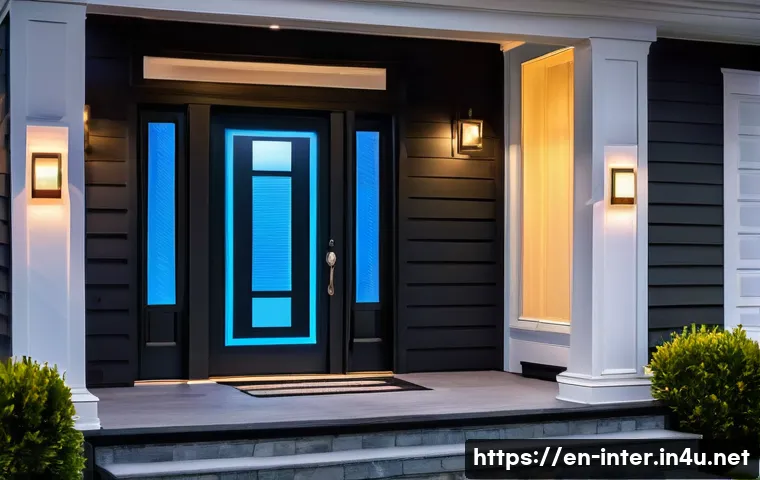
Integration with multi-room audio means I can enjoy synchronized sound throughout the house or focus audio in specific rooms depending on the occasion.
These systems also support high-quality formats and smart speakers that adapt sound settings based on room acoustics.
Customizable Ambience for Entertainment Zones
Setting up entertainment zones with smart lighting, motorized curtains, and temperature controls creates a theater-like atmosphere at home. For example, dimming lights and closing blinds automatically when starting a movie enhances immersion.
I also love using smart remotes or apps that consolidate control of all devices, reducing clutter and simplifying the user experience. This level of customization turns everyday entertainment into a special event.
Future-Proofing with Software Updates
One of the benefits I appreciated was that smart entertainment devices receive regular software updates, improving performance and adding new features over time.
This means my investment stays relevant longer and adapts to evolving technologies. Being able to integrate with emerging platforms or new streaming services without buying new hardware is a huge plus for staying current in the fast-changing entertainment landscape.
| Smart Home Feature | Key Benefits | Popular Devices | Typical Price Range |
|---|---|---|---|
| Adaptive Lighting | Mood customization, energy savings, automation | Philips Hue, LIFX, Nanoleaf | $40 – $200 per bulb |
| Smart Thermostats | Personalized climate, remote control, energy insights | Nest Learning Thermostat, Ecobee, Honeywell | $120 – $250 |
| Voice Assistants | Hands-free control, routine automation, ecosystem integration | Amazon Echo, Google Nest Hub, Apple HomePod | $50 – $300 |
| Smart Furniture | Multi-functionality, ergonomic support, design integration | Autonomous Smart Desk, Sobro Coffee Table, Herman Miller Smart Chair | $300 – $2000+ |
| Security Systems | Remote monitoring, smart locks, privacy controls | Ring, Arlo, August Smart Lock | $100 – $500+ |
| Entertainment Systems | Voice control, multi-room audio, software updates | Sonos, Roku, Nvidia Shield | $100 – $600+ |
Smart Storage and Organization Solutions
Maximizing Space with Intelligent Design
Incorporating smart storage units with features like automated compartments or app-controlled locks makes organizing easier and more secure. I use smart closets that notify me when I’m running low on essentials or suggest outfit combinations based on the weather forecast.
These solutions help declutter living spaces while adding a futuristic touch.
Inventory Management and Convenience
Smart pantries and refrigerators equipped with sensors track inventory and expiration dates, sending reminders to your phone. This has helped me reduce food waste significantly and streamline grocery shopping.
Integration with voice assistants means I can add items to shopping lists verbally while cooking or cleaning.
Customization and Aesthetic Appeal
Many smart storage solutions come with customizable panels, lighting, and finishes that blend with your home’s style. Whether you prefer hidden compartments in furniture or visible tech-savvy shelving, there’s an option to fit your taste and functional needs.
Elevating Home Office with Smart Technologies
Ergonomic and Tech-Integrated Workspaces
Working from home became a lot more comfortable after adding smart desks and chairs with adjustable settings controlled via apps. These setups not only improve posture but also track activity levels, reminding me to take breaks or stretch.
Built-in charging stations and cable management systems reduce clutter, creating a clean and efficient workspace.
Smart Lighting and Noise Control
Good lighting is essential for productivity, and smart desk lamps with adjustable color temperature help reduce eye strain throughout the day. Pairing these with noise-canceling smart speakers or white noise generators creates a focused environment, blocking distractions and boosting concentration.
Seamless Connectivity and Device Management
Integrating smart hubs that connect all your office devices—printers, monitors, and speakers—allows centralized control and smoother workflows. I’ve found that using voice commands or apps to switch between tasks or adjust settings without leaving my desk makes multitasking much easier.
Personal Wellness Through Smart Home Innovations
Air Quality and Humidity Control
Smart air purifiers and humidifiers have significantly improved the air quality in my home, especially during allergy season. Devices that monitor pollutants and adjust settings automatically help maintain a healthy environment without constant manual input.
The ability to track air quality trends via an app also raises awareness and encourages proactive care.
Sleep Enhancement Technologies
I’ve tried smart mattresses and sleep trackers that monitor movement, heart rate, and ambient conditions, offering personalized recommendations for better rest.
Features like adjustable firmness and temperature regulation have made a noticeable difference in my sleep quality, showing how technology can support wellness in subtle but impactful ways.
Mindfulness and Relaxation Aids
Smart diffusers, sound machines, and lighting can create calming environments that aid meditation and stress relief. I often use routines that combine gentle light changes with nature sounds to wind down after a hectic day, helping me relax and recharge more effectively.
Future Trends in Smart Home Interiors
AI-Powered Personalization
Looking ahead, AI will play a bigger role in tailoring home environments to individual preferences, learning from habits and adjusting settings proactively.
This means your home will anticipate your needs even before you express them, making daily living more intuitive and seamless.
Greater Sustainability Focus
Smart home tech is increasingly integrating eco-friendly features, from solar-powered devices to energy consumption analytics that promote greener habits.
I’m excited to see innovations that help reduce carbon footprints while maintaining comfort and convenience.
Enhanced Interoperability and User Experience
The push towards universal standards will make it easier to mix and match devices from different brands without compatibility issues. Expect smarter interfaces that simplify control, possibly through augmented reality or gesture recognition, elevating user interaction to a new level.
In Conclusion
Smart home technologies are transforming the way we live, blending convenience, comfort, and style effortlessly. From adaptive lighting to personalized climate control, these innovations create a more intuitive and energy-efficient environment. Embracing these advancements can enhance daily routines and bring a new level of enjoyment to your living space.
Useful Tips to Keep in Mind
1. Start small by integrating a few smart devices and expand gradually to avoid overwhelm and ensure compatibility.
2. Take advantage of preset scenes and routines to simplify daily control and maximize the benefits of automation.
3. Regularly update device firmware and use strong passwords to protect your smart home from security risks.
4. Choose devices with energy-saving features like motion sensors and LED technology to reduce utility costs.
5. Customize smart furniture and lighting to reflect your personal style while enhancing functionality.
Key Takeaways
Smart home systems offer significant improvements in comfort, security, and efficiency when thoughtfully integrated. Prioritize devices that provide seamless interoperability and user-friendly controls to avoid frustration. Maintaining privacy and data security should always be a top consideration. By combining technology with practical design, you can create a living space that truly adapts to your lifestyle and future needs.
Frequently Asked Questions (FAQ) 📖
Q: How can I start integrating smart home interior items without overwhelming my current decor?
A: Starting small is key. I recommend picking one or two smart devices that offer both functionality and style, like smart bulbs with adjustable colors or a sleek voice-controlled thermostat.
These items can blend seamlessly with your existing decor and gradually introduce you to smart living without feeling intrusive. From personal experience, choosing gadgets with minimalist designs helps maintain your room’s aesthetic while upgrading its intelligence.
Q: Are smart home interior gadgets compatible with different home styles and budgets?
A: Absolutely! The smart home market has expanded tremendously, offering options for every budget and design preference. Whether your style is modern, rustic, or eclectic, you can find smart devices that complement it.
For example, smart lighting fixtures come in various finishes and shapes, making it easy to match your vibe. Plus, many entry-level smart accessories are affordable and don’t require professional installation, so you can experiment without breaking the bank.
Q: What are the practical benefits of using smart home accessories beyond convenience?
A: Beyond the obvious convenience, smart home accessories can significantly improve energy efficiency and security. For instance, smart thermostats learn your schedule to optimize heating and cooling, which can lower utility bills—a benefit I noticed firsthand after installing one.
Smart lighting systems can reduce energy waste by turning off lights automatically when rooms are empty. Additionally, smart security cameras and locks enhance safety by allowing remote monitoring and control, giving you peace of mind whether you’re home or away.