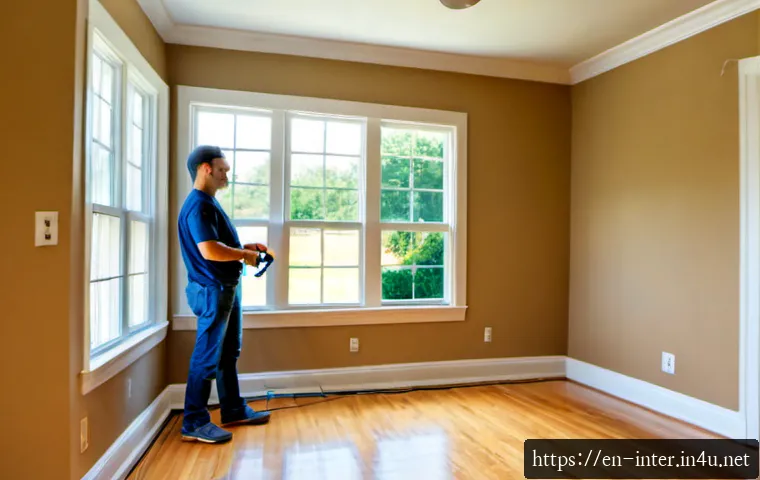
Finish disruptive work before furniture and boxes arrive: painting, flooring, essential repairs, deep cleaning, measurements, and any approved electrical or plumbing work.
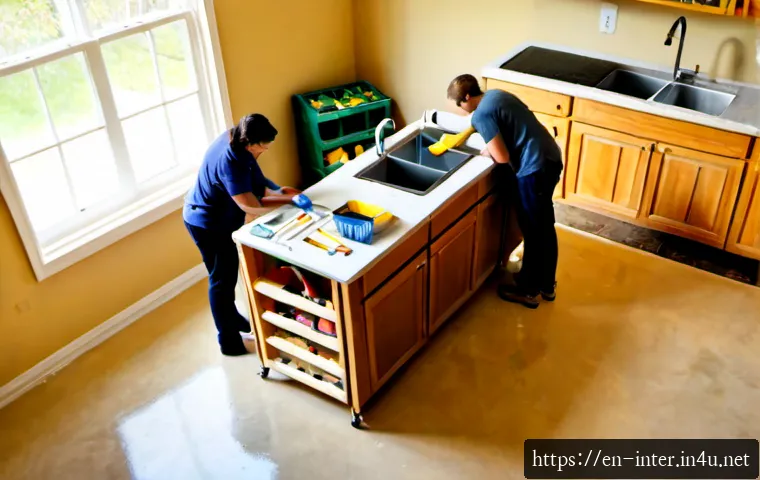
Leave decorative items and easily reversible updates until later, when you can see how the home actually functions. An empty home gives painters, flooring installers, cleaners, and repair professionals clearer access, which can make planning simpler.
Start with safety, surfaces, and storage; then compare detailed contractor estimates before you schedule work or deliveries. Renters should get written landlord approval before painting, drilling, or changing fixtures.
Homeowners should confirm local rules when a project may involve permits, structure, wiring, or plumbing. The best pre-move plan is not the longest list—it is the one that prevents expensive rework after move-in.
At a Glance
- Do now: Complete messy, disruptive, or access-dependent work while rooms are empty.
- Schedule soon: Handle measurements, deep cleaning, lighting plans, and storage decisions before delivery day.
- Do later: Postpone styling, décor, and nonessential upgrades until you understand daily use of the space.
| Project Type | Best Timing | Why It Matters | Who May Be Needed |
|---|---|---|---|
| Painting and wall repairs | Before move-in | Furniture, décor, and window treatments do not need to be moved or protected. | DIY or a painting contractor |
| Flooring installation or refinishing | Before move-in | Rooms may need to be cleared, and work can create dust, noise, and access restrictions. | Flooring installer |
| Deep cleaning | Before move-in | Empty cabinets, closets, appliances, bathrooms, and floors are easier to clean thoroughly. | DIY or cleaning service |
| Window coverings and smart-home devices | Plan early; install as appropriate | Measurements, mounting locations, power access, and building rules can affect the plan. | Installer or electrician when required |
| Artwork, rugs, and decorative accessories | After move-in | These choices are easier once furniture placement and natural light are clear. | Usually DIY |
What to Finish Before Move-In: The Short Priority List
Start with projects that become harder once the home is occupied. The practical order is safety, surfaces, storage, then styling. This sequence keeps moving day from colliding with repair dust, wet paint, blocked rooms, or contractors needing access.
Complete Messy, Disruptive, or Access-Dependent Work First
Painting, wall repair, flooring work, and deep cleaning are usually best handled before furniture arrives. Flooring installation or refinishing may require cleared rooms and may limit access temporarily. If electrical, plumbing, structural, or permit-related work is involved, ask whether a licensed professional or local approval is required for your location and project scope.
Use the Three-Line Rule: Safety, Surfaces, and Storage Before Styling
Safety: Test smoke alarms and carbon monoxide alarms after moving in, following applicable local building rules. Surfaces: Address paint, flooring, visible damage, and cleaning while the home is empty. Storage: Decide how closets, cabinets, and entry areas will work before boxes fill every available corner.
Quick Priority Table: Do Now, Schedule Soon, or Postpone
Do now: flooring, painting, repairs, and deep cleaning. Schedule soon: window treatments, lighting placement, closet organizing, and smart-home installation planning. Postpone: decorative shelves, artwork, accent pieces, and upgrades that depend on how you use the room. For renters, written approval should come before any painting, drilling, or fixture changes.
Compare Pre-Move Upgrades by Cost, Disruption, and Long-Term Value
Do not choose a project only because it looks appealing in an empty room. Compare it by disruption, safety, access, budget, and rework risk. A smaller project may still belong at the top of the list if doing it later means moving furniture twice or reopening finished walls.
Painting, Flooring, and Repairs: Where an Empty Home Saves Time
An empty room is easier to paint because furniture, wall décor, and window treatments are not in the way. Flooring work can be especially disruptive once daily life begins, since rooms may need to be cleared. Ask a painting contractor or flooring installer to identify preparation requirements, material needs, cleanup expectations, and access restrictions in writing.
Lighting, Window Coverings, and Smart-Home Devices: Practical Timing Considerations
Plan where furniture will sit before choosing lamps, window coverings, or smart-home devices. Confirm outlet access, switch locations, mounting surfaces, and any building restrictions. Electrical changes should not be treated as a casual weekend task when wiring condition or local requirements are uncertain; an on-site review may be necessary.
How to Compare Estimates Beyond the Headline Price
A useful contractor quote explains more than a total. Check whether the estimate states the scope of work, materials, surface preparation, protection of nearby areas, cleanup, warranty terms, and schedule. A vague quote makes it difficult to compare painting, flooring, electrical, cleaning, or closet organization services fairly.
When a DIY Project May Cost More in Tools, Delays, or Rework
DIY can fit simple, low-risk tasks when you have the tools, permission, and time. It may be less practical when the project involves dust control, difficult access, specialized installation, wiring, plumbing, or a high chance of rework. Consider not only materials, but also tool needs, time away from moving tasks, cleanup, and the consequences of having to redo the work after furniture arrives.
Prepare Every Room Before Movers Arrive
Good pre-move planning prevents avoidable delivery problems. The goal is simple: know what can enter the home, where it will go, and what must stay accessible once the movers leave.
Measure Rooms, Doorways, Staircases, and Elevator Access
Measure room dimensions along with doorways, stairwells, and elevator access before furniture delivery. Compare those measurements with the furniture and its delivery path, not just the final room. This can help prevent furniture-fit problems and last-minute changes on moving day.
Plan Furniture Placement, Outlet Access, and Lighting Zones
Sketch a basic room plan before placing boxes. Mark large furniture, outlets, switches, windows, and likely lighting zones. Keep practical areas clear: entry paths, closet doors, cabinet openings, and access to frequently used outlets. This also helps when comparing window treatment or smart-home installation options.
Deep-Clean Cabinets, Appliances, Bathrooms, Closets, and Floors
Deep cleaning is easier before shelves are stocked and furniture covers the floor. Work through cabinets, closets, appliances, bathrooms, and floors in a room-by-room order. If you are considering a cleaning service, ask exactly which areas, products, and cleanup steps are included in the written scope.
Photograph Existing Damage and Document Rental-Condition Details
Before unloading, photograph visible existing damage and keep notes about the property condition. Renters should also retain written approval for any permitted alterations. This is a practical record, not a substitute for following lease terms, building rules, or local requirements.
Avoid These Common Pre-Move Renovation Mistakes
Most pre-move stress comes from timing gaps rather than from one major decision. A short planning review can reveal conflicts between contractors, deliveries, access rules, and the actual condition of the home.
Starting a Project Without Confirming Lead Times for Materials
Before scheduling workers, confirm when required materials are available and whether the installer needs them on site before work begins. Timelines vary by product, contractor availability, property condition, and project scope, so avoid assuming that a planned upgrade will fit neatly into a moving schedule.

Ordering Furniture Before Checking Dimensions and Delivery Access
A sofa that fits a living room may still fail to fit through the front door, stairwell, or elevator. Check the complete route before ordering. Also consider whether flooring work, painting, or repairs could limit access on the planned delivery date.
Skipping Landlord Approval, Building Rules, or Permit Checks
Rental alterations may require written landlord approval, including painting, drilling, and fixture changes. Building rules may affect access, deliveries, or installation work. Permit and licensing requirements can vary by location, particularly for electrical, plumbing, structural, and related projects.
Hiring from a Vague Quote with No Scope, Prep, or Cleanup Details
A low total is not a useful comparison if one quote omits prep work, materials, disposal, cleanup, or scheduling details. Request detailed written estimates and ask what happens if the existing walls, flooring, wiring, or plumbing need additional attention after inspection.
Choose Projects Based on Your Living Situation
The right pre-move upgrades depend on how long you expect to stay, what you are allowed to alter, and how much disruption the household can handle.
For Renters: Reversible Updates and Approval-First Changes
Prioritize cleaning, measurements, removable organization, and other reversible choices. Get written landlord approval before altering paint, fixtures, or walls. Keep documentation of the existing condition and any approved work.
For Homeowners: Durable Upgrades That Are Difficult to Complete Later
Focus on projects that would require clearing rooms after move-in, such as flooring, major paint work, or repairs that affect daily access. Where systems or safety are involved, use qualified professionals as required and verify local approval needs before work starts.
For Tight Move-In Deadlines: The Minimum Viable Pre-Move Plan
If time is limited, protect the essentials: measure delivery access, complete necessary repairs, deep-clean empty areas, confirm utilities and access arrangements, and test alarms after moving in. Decorative upgrades can wait. This approach reduces the chance that a cosmetic project interferes with moving day.
For Families or Pet Owners: Prioritize Durable Surfaces, Storage, and Safety Checks
Think about daily traffic, easy-to-reach storage, and clear walking routes. Durable surfaces and organized entry, closet, and utility areas may matter more than finishing every decorative detail immediately. Plan safety checks early, but remember that the suitability of existing systems cannot be determined without appropriate inspection.
Selection Criteria and Comparison Summary Before You Spend
Before committing, use these checkpoints:
- Will this project be substantially harder after furniture is inside?
- Does it involve safety, electrical, plumbing, structural, or permit-related considerations?
- Does the quote clearly list scope, materials, preparation, cleanup, warranty terms, and timing?
- Have you measured both the final room and the full furniture delivery route?
- For rentals, do you have written approval for the planned change?
Compare at least two detailed written estimates before scheduling work. For painting, flooring, electrical, cleaning, or closet organization services, review the scope and conditions on the provider’s official page before booking.
In Closing
The most useful pre-move upgrades are usually the ones that are dirty, disruptive, or difficult to access later. Handle surfaces, repairs, measurements, and cleaning while the home is still empty. Then use detailed quotes and a realistic delivery plan to avoid turning move-in week into a renovation project. Styling can follow once the home is functional.
Useful Things to Know
Measure twice: Include doors, hallways, stairs, and elevators—not only room dimensions.
Document early: Photos of existing damage can be useful, especially in a rental.
Ask for details: A contractor estimate should explain what is included before work is booked.
Keep access clear: Coordinate contractor work and furniture delivery so they do not block each other.
Important Notes
Prices, labor rates, project timelines, landlord rules, permit requirements, and material availability vary by location and scope. Existing wiring, plumbing, flooring, and wall conditions cannot be assessed remotely. Check local requirements, building rules, lease terms, and professional licensing needs before authorizing work.
Frequently Asked Questions
Q1. What home improvements are most worth doing before moving in?
A1. Prioritize painting, flooring work, necessary repairs, deep cleaning, measurements, and approved work that would be disruptive once furniture is in place. The best choice depends on the home’s condition, your access window, and whether the work involves safety or local approval requirements.
Q2. Should I paint or replace flooring before furniture is delivered?
A2. In most cases, these are practical pre-move projects because painting is easier without furniture and flooring work may require cleared rooms, create dust or noise, and limit access temporarily. Confirm the installer’s preparation and scheduling requirements before setting a delivery date.
Q3. How should I compare home improvement contractor quotes before move-in?
A3. Compare at least two detailed written estimates before scheduling work. Review the stated scope, materials, preparation, cleanup, warranty terms, schedule, access needs, and any exclusions. Do not rely on the headline price alone, especially when painting, flooring, electrical, plumbing, or repair work may require further on-site assessment.