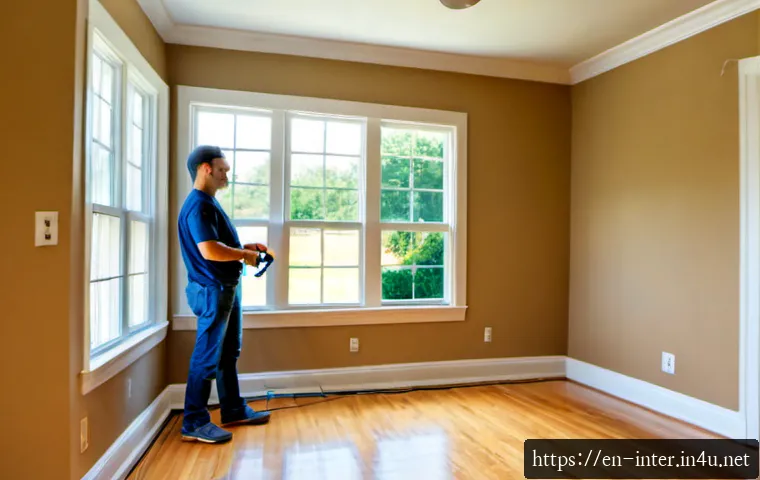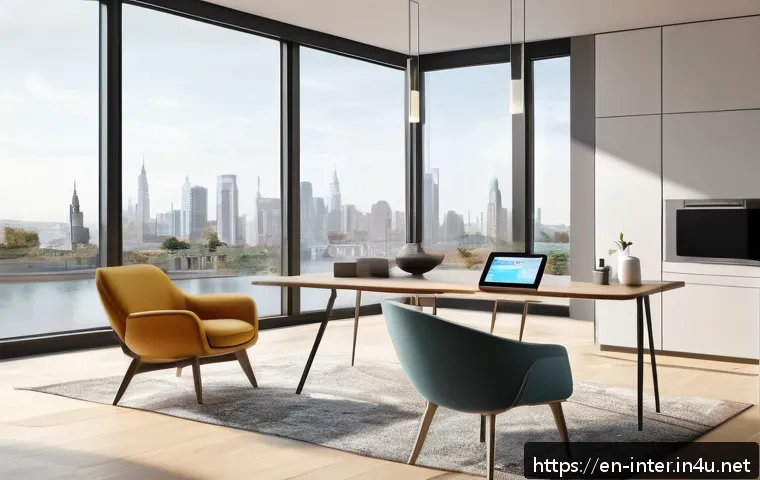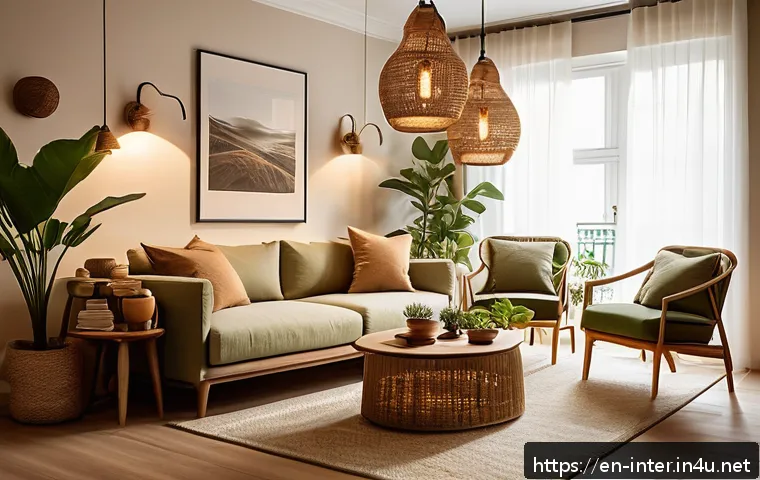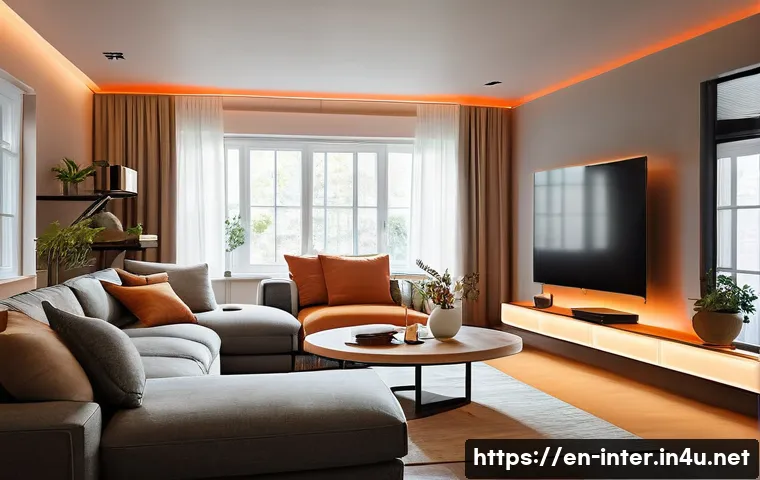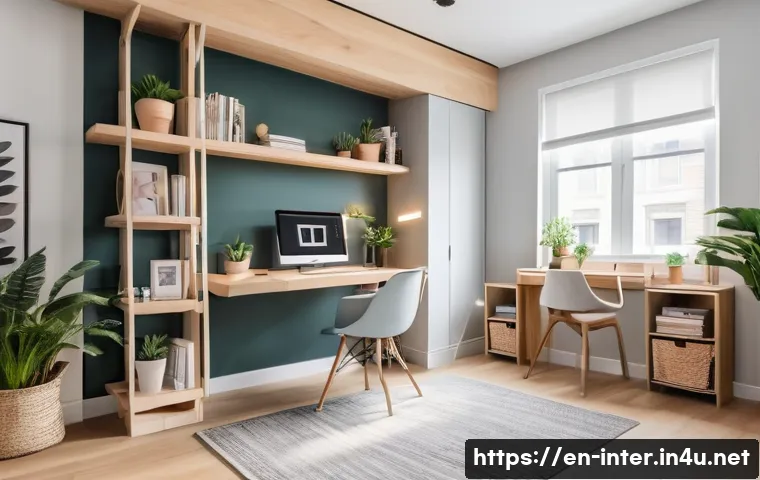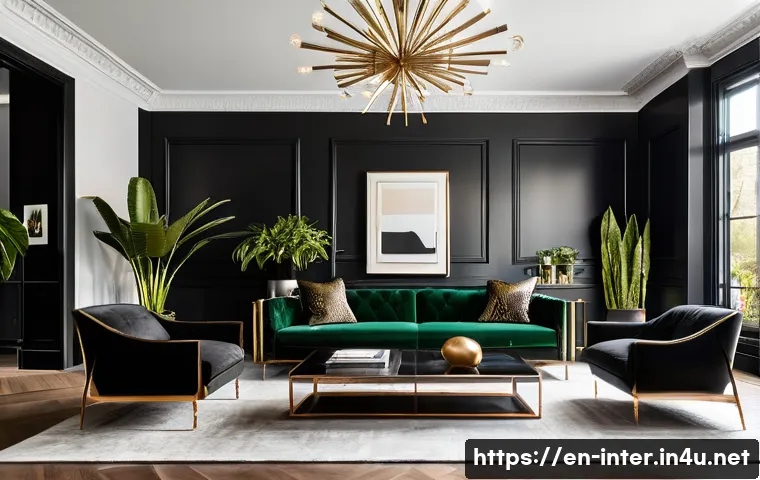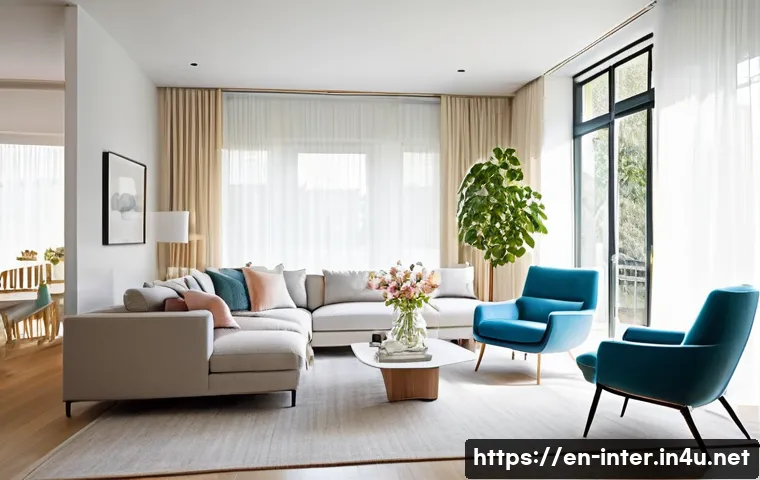
Arranging living room furniture can feel like solving a puzzle—balancing comfort, style, and functionality all at once. Whether you’re working with a cozy apartment or a spacious open plan, the right layout can transform your space into a welcoming retreat.
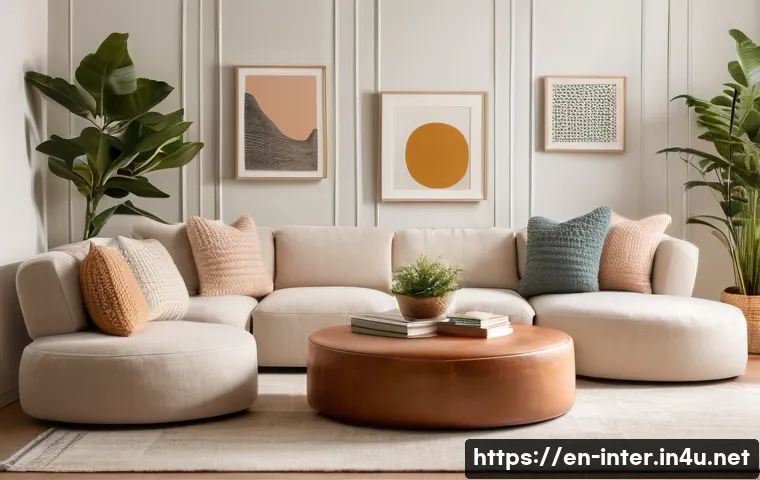
From creating conversation-friendly zones to maximizing natural light, small tweaks can make a huge difference. I’ve experimented with various setups myself, and some simple shifts have completely changed the vibe.
If you’re ready to refresh your living area without breaking the bank, let’s dive into the details below and explore proven tips that actually work!
Optimizing Space with Thoughtful Furniture Placement
Assessing Room Dimensions and Traffic Flow
Before moving any furniture, it’s crucial to get a good sense of the room’s dimensions and how people naturally move through the space. I like to walk around my living room, imagining where the main walkways should be to avoid awkward bumps or congestion.
Typically, you want to maintain at least 30-36 inches of clear path for easy movement. This might mean pulling your sofa slightly away from walls or angling chairs to create inviting pathways rather than blocking entrances.
Trust me, once you factor in traffic flow, the room feels more open and welcoming, even if it’s on the smaller side.
Balancing Function and Comfort Zones
Creating distinct functional areas is a game-changer. For example, if you want a cozy reading nook, place a comfy armchair with a floor lamp and side table in a quieter corner.
Meanwhile, the main seating area should focus on conversation and TV viewing. I found that arranging sofas and chairs in a circular or L-shaped layout encourages interaction much better than lining everything up against the walls.
Adding a rug to anchor these zones also visually separates the space, making it feel intentionally designed rather than thrown together.
Using Multi-Purpose Furniture for Flexibility
Especially in apartments or smaller homes, furniture that serves multiple purposes can save space and add functionality. I’ve been loving ottomans with hidden storage, convertible coffee tables, or sectionals with built-in shelves.
These pieces let you maximize utility without cluttering the room. Plus, they offer flexibility when guests come over — an ottoman can become extra seating or a footrest, and a storage bench can double as a place to stash throws or games.
It’s all about making every piece work harder for you.
Enhancing Natural Light and Creating Airy Ambiance
Positioning Furniture to Maximize Sunlight
I always try to keep windows as unobstructed as possible. Placing bulky furniture away from natural light sources instantly brightens the room and makes it feel larger.
For example, I once moved my couch from directly in front of the window to a side wall, which let sunlight pour in and gave my living area a fresh, uplifting vibe.
If privacy is a concern, sheer curtains can soften the light without blocking it out entirely. It’s amazing how a little light shift can transform the mood of a space.
Incorporating Reflective Surfaces to Amplify Brightness
Mirrors and glossy finishes are my secret weapons for brightening dim corners. A strategically placed mirror opposite a window bounces light around and creates an illusion of extra space.
I recommend choosing a statement mirror with an interesting frame that doubles as wall art. Additionally, glass or acrylic furniture, like a coffee table or side chair, keeps sightlines open and prevents the room from feeling cramped.
These subtle touches help maintain an airy atmosphere without sacrificing style.
Choosing Light-Colored Furniture and Accessories
Light hues reflect more light, so swapping out darker upholstery or rugs for neutral or pastel tones can brighten the room significantly. I replaced my dark throw pillows with soft beige and pale blue ones, and the difference was instantly noticeable.
Pairing these with natural textures like linen or jute adds warmth without absorbing too much light. It’s a simple, budget-friendly way to refresh your living room’s energy and invite a calm, serene environment.
Creating Conversation-Friendly Seating Arrangements
Arranging Seats to Encourage Interaction
One of the biggest challenges is avoiding a “TV zone” where everyone faces the screen but doesn’t talk. To fix this, I rearranged my seating into a semi-circle, which naturally invites eye contact and easier conversations.
Placing chairs at about 8 feet apart works well — close enough to hear each other but not so close that personal space feels invaded. Adding a low coffee table in the center helps ground the space and gives people a spot for drinks or snacks, making hangouts more relaxed.
Using Modular and Movable Seating
I love using modular sofas and poufs that can be rearranged depending on the occasion. It’s perfect for those spontaneous game nights or when extra guests drop by.
Having lightweight chairs or stools that can be pulled into the circle encourages flexibility without cluttering the room. You can even use stackable or foldable options that tuck away easily but are ready when you need them.
This approach keeps your living room adaptable and social.
Incorporating Side Tables for Convenience
Side tables might seem minor, but they’re a must for functional comfort. Everyone needs a spot to set down their drink, phone, or a book. I placed small tables next to each seat, ensuring no one has to stretch awkwardly or put things on the floor.
Opt for tables with different heights or nesting options to create visual interest and save space. These details make your living room feel thoughtful and user-friendly — guests will definitely appreciate it.
Mixing Textures and Colors for Visual Interest
Layering Rugs, Pillows, and Throws
Adding layers of texture instantly makes a room cozy and inviting. In my experience, combining a soft rug with patterned pillows and a chunky knit throw adds warmth and depth without overwhelming the senses.
Don’t be afraid to mix materials like velvet, linen, and leather for contrast. This tactile variety creates an engaging environment that feels both sophisticated and lived-in.
Plus, these elements are easy to swap out seasonally for a fresh look.
Choosing a Cohesive Color Palette
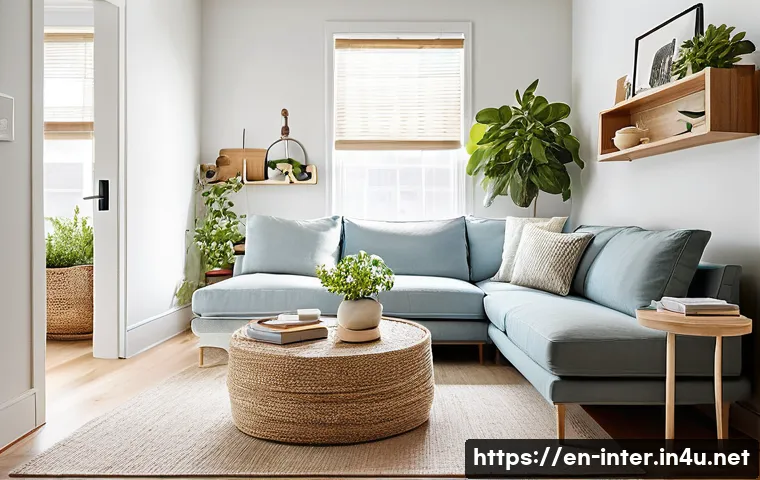
While mixing textures, it’s important to keep colors harmonious. I tend to stick to a neutral base — like creams, grays, or soft taupes — and then layer in accent colors through accessories.
This method lets you refresh your space by simply switching out a few pillows or art pieces rather than overhauling the entire room. If you want to be bold, pick one or two colors to pop against the neutrals, but keep it balanced to avoid visual chaos.
Incorporating Natural Elements
Plants, wooden furniture, and woven baskets bring life and organic beauty to any living room. I’ve noticed that even a small cluster of potted plants on a side table or shelf dramatically improves the vibe, making the space feel fresher and more relaxed.
Natural wood finishes add warmth and texture that complement most décor styles, from modern to rustic. These touches connect your indoors with the outdoors and invite a sense of calm.
Utilizing Vertical Space for Storage and Display
Installing Floating Shelves
Floating shelves are a smart way to add storage without sacrificing floor space. I mounted a few above my sofa and filled them with books, framed photos, and small plants.
This not only creates a personalized focal point but also frees up surfaces like coffee tables from clutter. The key is to keep the arrangement balanced and avoid overcrowding, which can make the room feel chaotic rather than curated.
Choosing Tall Bookcases and Cabinets
Tall storage units draw the eye upward and make the ceiling feel higher, which is great for compact rooms. I recommend opting for open bookcases mixed with closed cabinets to hide less attractive items.
This combination allows you to showcase decorative objects while keeping everyday essentials out of sight. Additionally, placing a tall piece near a corner can anchor the room and improve its overall proportions.
Using Wall Hooks and Pegboards
Hooks and pegboards aren’t just for garages or kitchens. In a living room, they can organize bags, hats, or even display art and plants. I added a stylish pegboard near my entrance area to keep keys and small items handy without cluttering tables.
It’s a practical and creative solution that adds character and keeps things tidy. Plus, it’s easy to change up the arrangement whenever inspiration strikes.
Choosing the Right Lighting for Ambiance and Function
Layering Different Light Sources
Good lighting is never just one source. I always combine overhead fixtures, floor lamps, and table lamps to create layers that can be adjusted depending on mood or task.
For example, soft floor lamps near seating areas provide cozy light for reading, while brighter ceiling lights work better for cleaning or social gatherings.
Dimmers are also a great investment for controlling intensity and setting the right vibe.
Selecting Warm vs. Cool Light Bulbs
Warm light bulbs (2700K-3000K) tend to make spaces feel inviting and relaxing, which is ideal for living rooms. Cool bulbs can feel harsh and sterile if overused.
I swapped out my old bulbs for warm LEDs and noticed a big difference in how comfortable the room feels, especially in the evenings. Consider bulbs with a high Color Rendering Index (CRI) to make colors pop naturally without distortion.
Highlighting Key Features with Accent Lighting
Accent lighting draws attention to artwork, architectural details, or plants. I use adjustable spotlights or LED strips behind shelves to create depth and visual interest.
This subtle illumination adds drama and sophistication to the space, making it feel thoughtfully designed. Plus, it’s a great way to showcase your personality through curated décor without overwhelming the room with brightness.
| Furniture Placement Tip | Purpose | Key Benefit |
|---|---|---|
| Maintain clear traffic paths (30-36 inches) | Ease movement | Prevents congestion and makes room feel open |
| Use modular seating | Flexibility | Adapt to different social settings easily |
| Position furniture to maximize natural light | Brighten space | Makes room feel larger and uplifting |
| Layer textures with pillows, rugs, throws | Visual warmth | Adds depth and coziness |
| Incorporate vertical storage | Save floor space | Keeps room organized and visually balanced |
| Use warm lighting layers | Set ambiance | Creates inviting and comfortable environment |
글을 마치며
Thoughtful furniture placement can truly transform any living space into a functional and inviting environment. By considering traffic flow, natural light, and seating arrangements, you create a room that feels both spacious and comfortable. Incorporating textures, colors, and smart storage solutions adds personality and practicality. With these simple strategies, your home will not only look better but also feel more welcoming for you and your guests.
알아두면 쓸모 있는 정보
1. Always measure your room before rearranging furniture to ensure clear pathways and avoid overcrowding.
2. Multi-purpose furniture, like storage ottomans or modular sofas, can greatly increase flexibility in small spaces.
3. Use mirrors and light-colored decor to amplify natural light and make rooms appear larger.
4. Layering different textures such as rugs, pillows, and throws adds depth and coziness without overwhelming the space.
5. Incorporate various lighting layers—ambient, task, and accent—to create a versatile and inviting atmosphere.
중요 사항 정리
Optimizing your living space starts with maintaining clear traffic paths to ensure comfort and ease of movement. Prioritize natural light by positioning furniture away from windows and using reflective surfaces to brighten the room. Flexible seating arrangements promote social interaction, while vertical storage solutions keep clutter at bay and maximize floor space. Lastly, layering textures and lighting thoughtfully brings warmth and balance, making your living room both stylish and functional.
Frequently Asked Questions (FAQ) 📖
Q: How can I arrange my living room furniture to make the space feel bigger without buying new pieces?
A: One of the easiest ways to make your living room feel more spacious is by rearranging existing furniture to open up pathways and avoid clutter. Try floating your sofa away from the walls to create a more inviting conversation area, and use rugs to define different zones.
Also, opt for multipurpose pieces like ottomans with storage or nesting tables that can be tucked away. Personally, shifting my seating arrangement to face natural light not only made the room feel airier but also boosted the overall vibe without spending a dime.
Q: What’s the best way to create a cozy yet functional layout in a small living room?
A: In a small living room, balancing coziness and functionality is all about scale and flow. Choose furniture that fits the room size—think compact sofas and chairs with slim arms—and avoid oversized coffee tables.
Arrange seating to encourage interaction, like placing chairs angled toward the sofa. Incorporate vertical storage like floating shelves to keep surfaces clear.
When I tackled my own small space, adding a floor lamp in the corner and a couple of throw pillows instantly made it feel inviting without sacrificing usable space.
Q: How can I use natural light effectively when arranging living room furniture?
A: Harnessing natural light is a game-changer for any living room layout. Position seating near windows to soak up daylight but avoid blocking the light source with bulky furniture.
Using light, sheer curtains helps maintain brightness while adding softness. Mirrors placed opposite windows can reflect light and visually expand the space.
From my experience, moving my reading nook closer to the window made the spot my favorite place to relax, and the whole room felt lighter and more cheerful as a result.