Hey there, design lovers! Have you ever walked into a space that just *felt* right? You know, the kind of home that instantly makes you feel welcome, calm, and totally inspired?

That’s exactly the magic we’re chasing in modern interior design right now. Gone are the days of sterile, cold minimalism; instead, I’ve noticed a huge shift towards creating spaces that truly nurture our well-being and reflect our individual stories.
It’s less about stark, matchy-matchy aesthetics and more about soulful, livable luxury that blends comfort with a conscious touch. I’ve personally been experimenting with these concepts, and the difference is incredible.
From what I’ve seen, the coming years are all about embracing warmth, authenticity, and a deep connection to nature within our four walls, without sacrificing an ounce of style.
This evolution feels so much more grounded and personal, making our homes not just places to live, but true sanctuaries. Ready to transform your space into a modern haven?
Let’s dive in and find out more!
Embracing Biophilic Design for Inner Peace
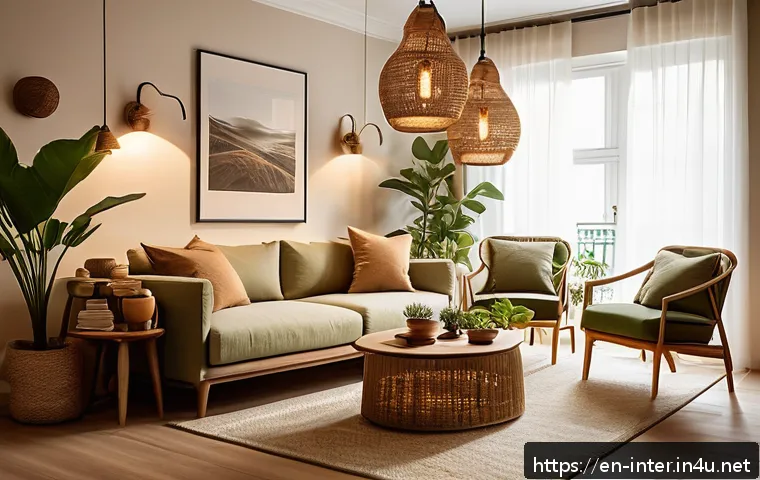
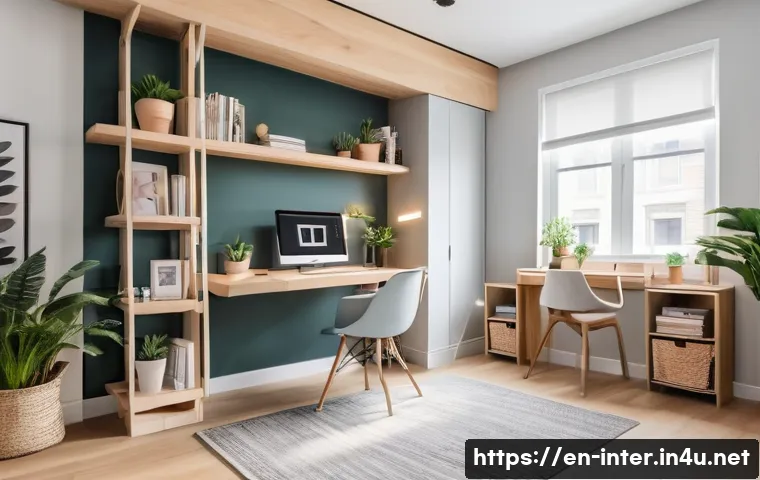
There’s something incredibly grounding about bringing elements of the natural world indoors. I’ve personally found that incorporating biophilic design principles isn’t just a trend; it’s a fundamental shift in how we approach our living spaces, making them true havens for mental well-being. Think about it: when you step into a room filled with lush greenery, natural light, and organic textures, doesn’t your whole demeanor just soften? I know mine does. It’s about consciously weaving nature’s calming presence into our everyday lives, especially in our increasingly urbanized world. This goes beyond just adding a houseplant or two, though those are definitely a fantastic start! We’re talking about a holistic integration, where the very design of our homes mimics the patterns and forms found in nature. From what I’ve observed, this approach has a profound effect on reducing stress and enhancing a sense of calm. It’s truly amazing how a thoughtfully designed space can make you feel more connected to the earth, even when you’re miles away from a forest. I remember one client telling me how their newly redesigned office space, featuring a living wall and a water feature, completely transformed their work environment, making it feel less like a sterile workspace and more like a retreat. This isn’t just about aesthetics; it’s about creating an environment that actively supports your health and happiness.
Bringing the Outdoors In, Thoughtfully
When I talk about “bringing the outdoors in,” I’m not just suggesting a quick trip to the garden center. While a beautiful fiddle-leaf fig or a trailing pothos can work wonders, think bigger! Consider how natural light floods your space. Can you optimize it with sheer curtains or by decluttering window areas? I’ve seen incredible transformations just by moving a bulky armchair that was blocking precious sunlight. Then there’s the material palette. Opt for natural wood finishes that show their grain, stone countertops with beautiful imperfections, or even linen and cotton fabrics that feel earthy and authentic. I recently swapped out some synthetic throws for organic cotton ones, and the difference in how the room feels—and how I feel in it—is palpable. It’s about creating a sensory experience that reminds you of nature, from the sight of green leaves to the touch of rough-hewn wood. My personal tip? Look for pieces that have a story, something that feels handcrafted rather than mass-produced, because that unique touch adds so much character and a deeper connection to the natural world. It really makes a home feel loved and lived-in.
Creating Natural Flow and Organic Forms
One of the most appealing aspects of biophilic design, in my opinion, is its emphasis on organic forms and natural flow. We’re moving away from sharp, rigid lines and embracing curves, asymmetry, and shapes that mimic what you’d find in a forest or by the ocean. Think about a beautifully crafted curved sofa or a coffee table with an irregularly shaped top. These elements break up the visual monotony and create a more inviting, less sterile environment. I’ve personally found that incorporating even small touches, like a vase with an organic silhouette or a rug with a fluid pattern, can make a huge difference. It’s about creating a sense of movement and softness that instantly makes a room feel more welcoming and less “designed.” When you walk into a space that incorporates these elements, it feels less like a showroom and more like a nurturing embrace. I often advise clients to look at how nature arranges itself—nothing is perfectly symmetrical or straight, and that’s where its beauty lies. Translating that natural imperfection and fluidity into your home design can really elevate its character and provide a much-needed sense of peace.
The Art of Curated Comfort and Intentional Living
Modern interior design, as I’ve come to understand it through years of styling and observing, is no longer solely about aesthetics; it’s profoundly about comfort and intentionality. It’s about designing spaces that genuinely serve our lives, rather than us serving the design. This means stepping away from the “display home” mentality and instead focusing on how each piece, each layout choice, contributes to a feeling of ease and belonging. I used to chase trends relentlessly, always feeling like I needed the latest “it” item, but I’ve learned that true comfort comes from surrounding yourself with things that resonate with you personally and make daily life smoother. It’s less about accumulating and more about curating. Every item in your home should have a purpose or bring you joy. When I recently decluttered my own living room, removing pieces that were merely decorative but didn’t actually function or feel good, I was amazed at how much lighter and more expansive the space felt. It’s a powerful feeling to know that everything around you is there because you intentionally chose it, not just because it fills a void. This approach also subtly encourages a more sustainable lifestyle, as we invest in quality pieces that will last, rather than constantly replacing fleeting trends.
Layering Textures for Depth and Warmth
One of my absolute favorite ways to inject personality and warmth into a space is through layering textures. Flat, one-dimensional rooms feel cold and uninviting, don’t they? But introduce a chunky knit throw, a velvety cushion, a raw wood side table, and a plush wool rug, and suddenly, the room comes alive! It’s like adding different notes to a song, each one contributing to a richer, more complex harmony. I’ve personally experimented with combining unexpected textures, like a sleek leather armchair paired with a fluffy sheepskin rug, and the contrast creates such an interesting dynamic. It prevents the space from feeling too “matchy-matchy” and adds a touch of playful sophistication. When you walk into a room where textures are layered thoughtfully, your eyes have so much to explore, and your sense of touch is engaged. This isn’t just about visual appeal; it’s about creating a tactile experience that makes you want to sink into a sofa or run your hand over a beautiful object. In my experience, focusing on texture is one of the most effective and affordable ways to make a new space feel instantly cozy and lived-in, transforming it from a house into a home.
The Power of Soft Lighting and Ambient Glow
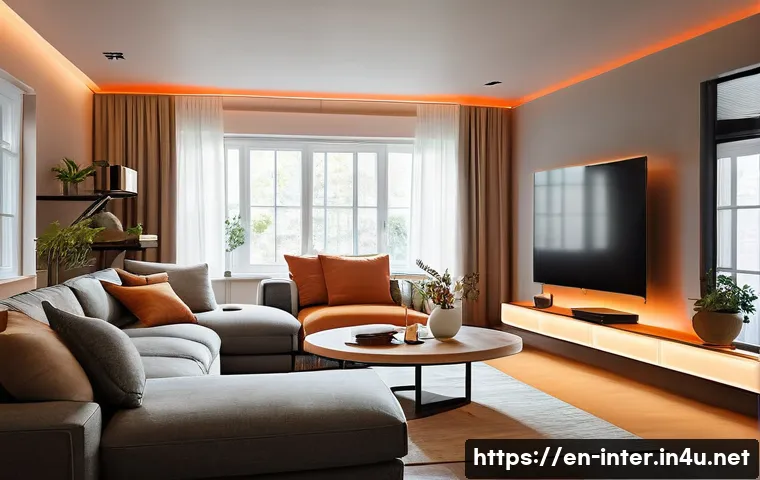
Lighting is often an afterthought, but in modern interior design, it’s absolutely crucial for creating a comfortable and intentional atmosphere. Harsh overhead lighting can make any room feel like an operating theater, no matter how beautifully decorated. What I’ve found truly transforms a space is layering different sources of light to create a soft, ambient glow. Think about using dimmer switches on overhead lights, incorporating floor lamps with warm-toned bulbs, and adding table lamps for task lighting and cozy corners. I recently installed smart bulbs in my bedroom that allow me to adjust the color temperature from a bright, cool white for reading to a warm, inviting amber for winding down, and it has genuinely changed my evening routine. It’s about creating mood and atmosphere, making sure there’s always a gentle illumination that enhances rather than detracts from the space. Candlelight, even flameless LED candles, can also work wonders for creating a serene and intimate ambiance. Don’t underestimate the impact of thoughtfully placed lighting – it’s like painting with light, and it can make all the difference in how a room feels, both day and night.
Sustainable Style: Making Thoughtful Choices
As an influencer in the design space, I’ve seen firsthand how much impact our choices have, not just on our immediate surroundings but on the planet. Modern interior design is increasingly leaning into sustainability, not as a niche concept, but as a core value. For me, this isn’t about rigid rules or sacrificing beauty; it’s about making conscious, informed decisions that feel good on every level. It’s about asking where things come from, how they were made, and what their lifespan will be. I remember years ago feeling overwhelmed by the sheer volume of choices, often opting for whatever was cheapest or most readily available. But I’ve personally shifted my mindset, and it’s been incredibly rewarding. Investing in pieces that are built to last, made from recycled or rapidly renewable materials, or even sourcing unique vintage finds, adds so much character and a sense of purpose to a home. It’s about building a space that tells a story, rather than one that just shouts about the latest trend. And honestly, it often results in a far more unique and interesting home than simply buying everything new from a big box store. This shift also encourages creativity – how can you repurpose something, or give an old piece a new lease on life? That’s where the real magic happens, and it’s incredibly satisfying.
Investing in Quality, Not Quantity
One of the biggest shifts I’ve embraced in my own home and advise my clients on is moving towards a “buy once, buy well” philosophy. Fast furniture might seem appealing due to its low price point, but I’ve consistently found that it doesn’t hold up, both in terms of durability and timeless design. Investing in fewer, higher-quality pieces means you’ll replace them less often, saving money in the long run and reducing waste. Think about a solid wood dining table that can withstand years of family meals and gatherings, or an heirloom-quality armchair that can be reupholstered as styles change. I’ve got a leather armchair that my grandparents owned, and while it’s seen better days, a little conditioning and a new cushion will make it last another lifetime. These pieces often have better craftsmanship and use more sustainable materials from the outset. It’s a mindset shift that asks us to value longevity and craftsmanship over fleeting trends. Plus, there’s a genuine satisfaction that comes from owning something well-made and knowing it will be a cherished part of your home for years to come. It’s about building a legacy, not just filling a space.
Embracing Vintage and Upcycled Treasures
If you really want to infuse your home with personality and a truly sustainable spirit, start exploring the world of vintage and upcycled items. This is where I find some of the most unique and soulful pieces! Forget about everything looking brand new; a little patina or a story behind an item adds so much depth. I love spending a Saturday morning at local flea markets or browsing antique shops – you never know what treasures you’ll find. I recently snagged an incredible mid-century credenza that, with a little sanding and oiling, became the absolute focal point of my living room. It’s not just about finding a good deal; it’s about giving a piece of furniture a second life and reducing demand for new manufacturing. Plus, it’s a fantastic way to ensure your home doesn’t look like everyone else’s. An upcycled dresser painted a bold new color, a vintage rug with beautiful faded patterns, or even repurposed architectural salvage can add an unparalleled level of character and charm. This approach is not only environmentally friendly but also incredibly fun and creatively liberating. It’s about finding the beauty in the pre-loved and making it uniquely yours.
| Design Element | Traditional Approach | Modern & Sustainable Approach |
|---|---|---|
| Furniture Materials | Mass-produced particle board, synthetic fabrics | Reclaimed wood, organic cotton, linen, recycled metals |
| Decor & Accessories | Matching sets, trendy disposable items | Curated vintage finds, artisan-made pieces, plants |
| Color Palette | Often bold, singular statements, sometimes dark woods | Earthy neutrals, muted tones, natural greens, pops of color via art |
| Lighting | Overhead fixtures, limited task lighting | Layered lighting (ambient, task, accent), dimmers, smart bulbs |
| Flooring | Wall-to-wall carpeting, polished tile | Hardwood, bamboo, natural fiber rugs, polished concrete |
Smart Homes, Seamless Living: Integrating Technology Thoughtfully
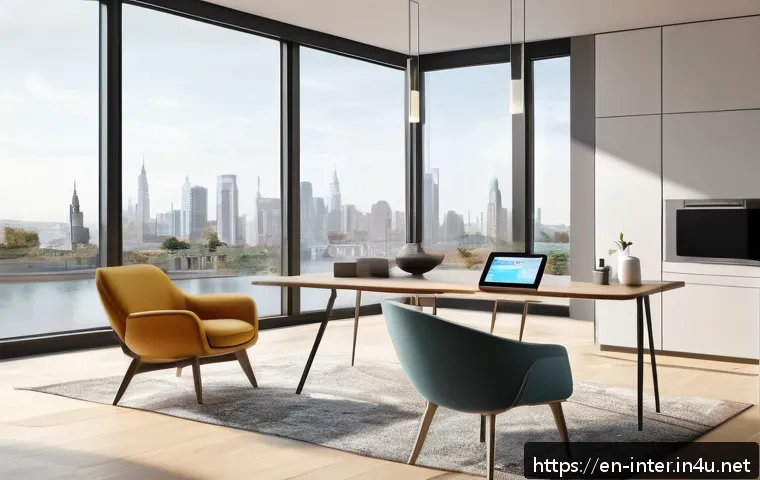
Alright, let’s talk tech! In our ever-evolving world, modern interior design isn’t just about aesthetics; it’s increasingly about how intelligently our homes function. I’ve seen firsthand how integrating smart home technology can transform a space from simply beautiful to effortlessly efficient and wonderfully convenient. But here’s the kicker: it’s not about turning your home into a sterile, futuristic spaceship. It’s about seamlessly blending technology into your environment so that it enhances your life without being intrusive. I remember being skeptical at first, thinking it was just for tech gurus, but after experimenting with a few smart devices, I was genuinely surprised at how much easier and more comfortable my daily life became. Imagine walking into a perfectly lit room with your favorite music playing, all activated by your presence, or having your thermostat adjust itself based on the weather and your schedule. These aren’t far-fetched dreams; they’re realities that are becoming more accessible and intuitive. From smart lighting systems that adapt to your mood to automated blinds that manage natural light and privacy, the possibilities are vast. The trick is to choose technology that genuinely solves a problem or enhances an experience for you, rather than just adding gadgets for the sake of it. It’s about making your home work harder, so you don’t have to.
Automating Comfort and Efficiency
One of the most practical and impactful ways I’ve integrated smart tech into my home, and consistently recommend, is through automation. I’m talking about the kind of automation that makes you wonder how you ever lived without it. Smart thermostats, for instance, don’t just keep your home at a comfortable temperature; they learn your routines, optimize energy usage, and can even be controlled from your phone when you’re away. I personally love the peace of mind knowing I can turn off a forgotten light or adjust the heating when I’m stuck in traffic. Then there are smart plugs, which are absolute game-changers for any lamp or small appliance. They let you control devices from your phone or with voice commands, and I’ve even set up routines where my coffee maker starts brewing before my alarm goes off. Talk about a luxurious start to the day! It’s all about creating an environment that responds to your needs, often before you even realize you have them. These subtle integrations are designed to simplify your life, save you time and energy, and ultimately contribute to a more harmonious and stress-free living experience. It’s smart living that truly feels effortless.
Seamless Entertainment and Connectivity
Beyond the practicalities of climate and lighting, smart technology has revolutionized how we experience entertainment and stay connected in our homes. Gone are the days of tangled wires and multiple remotes. Now, you can have a seamlessly integrated home theater system where your TV, soundbar, and streaming devices all communicate effortlessly. I’ve personally invested in a sound system that allows me to play music throughout my entire home with just a voice command, creating a fantastic atmosphere for entertaining or just unwinding. And let’s not forget about robust Wi-Fi networks that ensure every corner of your home has strong, reliable internet access, which is crucial for both work and play in today’s world. Think about smart TVs that are so integrated they almost disappear into your decor when not in use, displaying art or family photos. It’s about creating an immersive and enjoyable experience without clutter or complexity. The beauty of modern smart home entertainment is its discreet nature; the technology is there, working behind the scenes, allowing you to simply enjoy the moment, whether you’re streaming your favorite show or hosting a lively get-together. It really makes a difference to the overall feel and functionality of the home.
Personalizing Your Palette: Beyond Beige and Grey
For a long time, modern interior design seemed to equate “chic” with endless variations of beige, grey, and stark white. And while I appreciate a clean, neutral canvas, I’ve also personally felt that sometimes these palettes lacked a certain soul. The exciting shift I’m seeing now is a move towards deeply personal color choices, where individuality takes center stage. It’s about finding the hues that genuinely resonate with *you* and reflect your personality, creating a home that feels uniquely yours, not just on-trend. Forget the idea that you have to stick to a rigid color scheme. Instead, think about the emotions different colors evoke. Do you feel calm in deep blues, energized by earthy greens, or cozy with warm terracotta tones? I’ve been experimenting with richer, more saturated colors in smaller doses, like a vibrant accent wall or a collection of jewel-toned cushions, and the impact is incredible. It’s about using color as a powerful tool for self-expression and mood-setting. And trust me, you don’t need to repaint every wall to make a statement. Sometimes, a carefully chosen piece of art, a bold rug, or even a collection of colorful books can be enough to inject that much-needed vitality and personal touch into your space. It’s truly liberating to break free from the “safe” neutral box and let your true colors shine!
Infusing Personality with Art and Objects

Beyond wall paint, one of the most effective and personal ways to bring color and character into your home is through art and decorative objects. This is where your individual story really comes alive! I’ve always told my friends and clients that your home should be a reflection of your journey, filled with pieces that you genuinely love and that spark joy. This could be anything from a vibrant painting by a local artist to a collection of pottery you picked up on a memorable trip, or even framed photographs of loved ones. I personally have a gallery wall in my living room that tells my entire story, from concert posters to family photos, and it’s always a conversation starter. The beauty is that these items don’t have to be expensive; they just need to be meaningful to you. Don’t be afraid to mix and match styles, either. A modern sculpture can look fantastic next to a vintage vase, creating an eclectic yet cohesive feel. It’s about finding pieces that resonate with your soul and displaying them in a way that feels authentic to you. These carefully chosen objects are what truly transform a house into a home, imbuing it with warmth, personality, and a sense of history. They’re the soul of your space.
Embracing Darker, Moody Hues for Depth
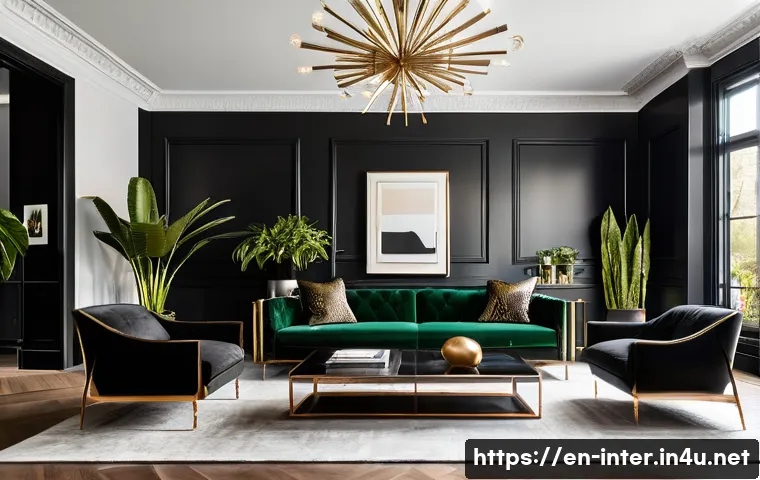
While bright, airy spaces have had their moment, I’m absolutely loving the current trend of embracing darker, moodier hues in modern design. There’s a certain sophistication and coziness that comes with a rich, deep color palette that you just can’t achieve with lighter tones. Think deep forest greens, charcoal greys, navy blues, or even a luxurious deep plum. I recently painted a small reading nook in a deep, inky blue, and it instantly transformed it into a super cozy, intimate retreat. The key is to balance these darker shades with plenty of texture and warm lighting to prevent the space from feeling too heavy or oppressive. Metallic accents like brass or copper also pop beautifully against a darker backdrop, adding a touch of glamour. What I’ve found is that these deeper colors create a sense of depth and envelopment, making a room feel like a comforting hug. They’re fantastic for bedrooms, dining rooms, or even a dramatic powder room. Don’t be scared to experiment! A feature wall or a beautifully upholstered piece of furniture in a dark jewel tone can make a surprisingly powerful statement and add an incredible amount of character and warmth to your modern home. It’s a bold move that really pays off in terms of creating a memorable and inviting atmosphere.
Crafting Cohesive Spaces with Thoughtful Layouts
Beyond the individual pieces and palettes, what truly defines a well-designed modern interior is the thoughtful consideration of its layout. I’ve always believed that how a space flows and functions is just as important as how it looks. It’s about creating a sense of cohesion and purpose in every zone of your home, ensuring that each area serves its intended function while still feeling connected to the whole. This isn’t just about maximizing square footage, though that’s certainly a part of it. It’s about understanding how you and your family *live* in your home and designing around those patterns. I remember helping a friend reconfigure their open-plan living and dining area, and simply by repositioning the sofa and adding a strategic area rug, we transformed it from a sprawling, undefined space into distinct, cozy zones for relaxation and entertaining. It was amazing to see the immediate impact on how they used and enjoyed their home. The goal is to make every square inch work for you, creating an environment that feels both inviting and intuitive. This often means moving away from rigid, formal arrangements and embracing more flexible, adaptive layouts that can evolve with your needs. After all, our lives aren’t static, and our homes shouldn’t be either.
Defining Zones in Open-Concept Living
Open-concept living has been a huge trend for a while, and for good reason—it promotes connectivity and a sense of spaciousness. However, the challenge I often see is that without proper definition, these large areas can feel a bit aimless. This is where strategic zoning comes into play, and it’s something I’ve become quite passionate about. It’s about using clever tricks to delineate different functions within one large space without building walls. Area rugs are your best friend here! A well-placed rug can instantly anchor a living area, separating it visually from a dining space or an entryway. I’ve also found that furniture placement is key. Arranging your sofa and armchairs to create a distinct conversation area, perhaps with a console table or a bookshelf acting as a subtle divider, can work wonders. Even lighting can help define zones; a pendant light over a dining table or a floor lamp in a reading nook clearly marks that space’s purpose. It’s about creating intimate pockets within a larger environment, allowing for both connection and individual activities. My own open living space feels so much more functional and inviting now that I’ve consciously created these “rooms within a room.”
Maximizing Functionality and Flow
Beyond just defining zones, a truly modern and well-designed home prioritizes functionality and smooth flow. This means thinking about how you move through your home, how natural light travels, and how easy it is to perform daily tasks. I always encourage clients to consider “traffic patterns” when arranging furniture – you don’t want to be constantly bumping into things or having to navigate awkward pathways. For example, ensuring there’s enough space around a dining table for chairs to be pulled out easily, or keeping main walkways clear. Another aspect often overlooked is storage. A well-integrated storage solution, whether it’s built-in shelving, discreet cabinets, or multi-functional furniture with hidden compartments, can dramatically improve both the aesthetics and the practical livability of a space. I’ve personally found that decluttering and having a dedicated “home” for everything makes such a difference to my daily peace of mind. It’s about creating an environment where everything has its place and accessing what you need is effortless. When a home has good flow and smart functionality, it doesn’t just look good; it *feels* good to live in, making everyday life smoother and more enjoyable. It’s that seamless experience that truly elevates modern living.
Wrapping Things Up
As we’ve journeyed through the evolving landscape of modern interior design, I truly hope you feel as inspired as I do by the incredible possibilities for creating spaces that aren’t just aesthetically pleasing, but deeply nourishing. It’s about so much more than trends; it’s about crafting a home that genuinely reflects who you are, supports your well-being, and lives in harmony with the planet. From bringing the calm of nature indoors to embracing smart tech that simplifies life, every choice you make weaves together to tell your unique story. Remember, your home is your sanctuary, and it deserves to be a place where you can truly thrive and feel completely at ease.
Handy Tips to Keep in Mind
Here are some quick, actionable insights I’ve gathered over the years to help you on your design journey:
1. Start Small: Don’t feel pressured to overhaul everything at once. Even adding one new houseplant, a soft throw, or a smart plug can make a noticeable difference and build momentum for bigger changes.
2. Prioritize Comfort: Before anything else, ask yourself if a design choice will truly make your space more comfortable and functional. Aesthetics are important, but livability should always come first for a truly loved home.
3. Embrace Imperfection: Nature isn’t perfect, and your home doesn’t have to be either! A vintage piece with a slight patina or a handcrafted item with unique quirks adds character and warmth that mass-produced items often lack.
4. Layer Your Lighting: Move beyond just overhead lights. Incorporate floor lamps, table lamps, and even smart bulbs with dimmers to create varied moods and ensure your home feels inviting at any time of day.
5. Personalize, Personalize, Personalize: Your home should be a reflection of *you*. Don’t shy away from incorporating colors, art, and objects that genuinely spark joy and tell your personal story, even if they’re not “on-trend.”
Key Takeaways
Ultimately, modern interior design is evolving into a more conscious, human-centered practice. It’s about designing with intention – focusing on biophilic elements for well-being, prioritizing sustainability and quality over fleeting trends, leveraging smart technology for effortless living, and fearlessly personalizing your palette and layout to create a space that genuinely feels like home. Remember, your living environment is a powerful tool for enhancing your daily life, so make choices that support your happiness and peace of mind.
Frequently Asked Questions (FAQ) 📖
Q: What exactly makes this “new” modern design feel so different from the crisp, clean styles we’ve loved before?
A: Oh, this is such a great question! For me, the biggest shift from those super sleek, often sterile minimalist looks we used to chase is that now, it’s all about injecting soul into our spaces.
While I appreciate the beauty of clean lines, I honestly found myself craving something more, something that truly felt like a warm hug when I walked through the door.
This new wave of modern design isn’t about stark perfection; it’s about creating an authentic, comforting haven that actually lives with you. I remember when I first started out, I thought white walls and bare surfaces were the epitome of chic.
But you know what? They often felt a bit cold, didn’t they? Now, I’m absolutely loving the joy of layering different textures, playing with warmer, earthy tones, and bringing in pieces that tell a story.
It’s about building a home that genuinely feels like you, rather than something out of a magazine showroom. Think plush fabrics that invite you to sink in, a rich, grounded color palette, and a thoughtful mix of old and new that instantly says, “Welcome, settle in, and stay a while.” It’s a far more grounded and personal approach, and I’m totally here for it!
Q: I love the idea of a home that nurtures my well-being. What are some practical, easy ways to bring that “sanctuary” vibe into my space right now, even on a budget?
A: You are absolutely on the right track! Creating that sanctuary vibe doesn’t have to mean a massive renovation or emptying your wallet, trust me. My personal go-to, without fail, is always greenery.
Seriously, just a few strategically placed plants can completely transform a room’s energy and purify the air! I’ve noticed a huge difference in my mood just by adding a couple of leafy friends.
Another secret weapon? Natural light! Throw open those curtains, let the sunshine flood in, and if you can, add dimmer switches to your lamps.
That way, you can create the perfect cozy glow for evenings. I recently did this in my living room, and it’s amazing how much more relaxed it feels after dark.
And don’t underestimate the power of textures! Think soft throws draped over your sofa, a cozy rug underfoot, or even a beautiful linen tablecloth. I swapped out some old synthetic cushion covers for natural cotton ones, and the immediate change in how the space feels was astounding.
Finally, a calm space often starts with an organized one, so a little decluttering can work wonders too. Small changes, huge impact – I promise you’ll feel the difference!
Q: You talk about “livable luxury” and connecting to nature. How do these really blend together in a way that feels stylish and not just rustic or over-the-top?
A: This is a fantastic question because sometimes those concepts can sound a bit abstract, right? For me, “livable luxury” isn’t about ostentation or price tags; it’s about making intentional choices that genuinely enhance your daily life and bring you joy and comfort.
It’s about investing in quality pieces that last and feel amazing, like that perfectly broken-in leather armchair you can curl up in, or those high-thread-count sheets that make getting out of bed an actual challenge!
When we weave in nature, it’s not about turning your home into a log cabin (unless that’s your personal dream!). It’s about subtle, thoughtful nods to the natural world that feel sophisticated and integrated.
Imagine a stunning wooden coffee table that beautifully shows off its natural grain, or choosing natural fiber rugs that add warmth and texture without screaming “rustic.” Maybe it’s a piece of art inspired by a serene landscape that brings a sense of calm.
I personally found a gorgeous, ethically sourced wool rug a few months ago, and it instantly brought warmth and a grounding presence to my living room, feeling incredibly luxurious without being over-the-top.
It’s all about making choices that elevate your everyday experience while maintaining that authentic, natural connection. It’s truly about feeling good in your space, every single day.