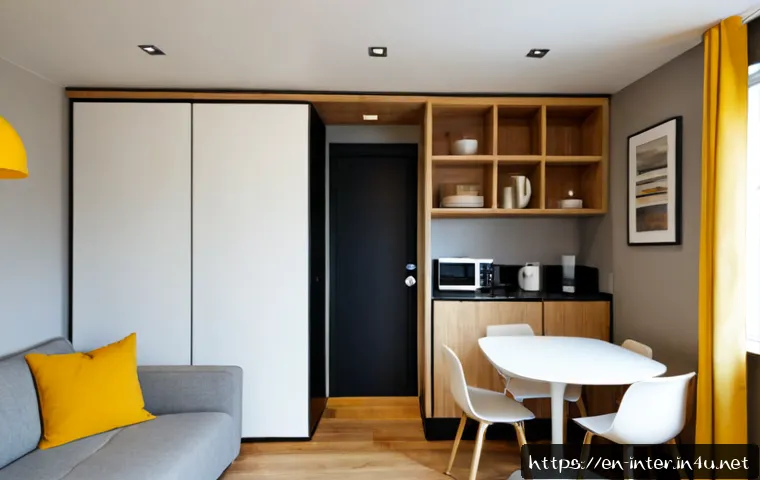
The best small-home storage plan starts with the places that create daily clutter, not with buying more containers. For most renters and apartment dwellers, portable organizers or adjustable modular shelving are the safest first choices, while built-ins make more sense only after the storage gap is clear and the layout is stable.
Measure the available space, access paths, and the items you use most before comparing storage furniture or closet systems. This prevents shelves that block doors, bins that are too deep to reach into, and furniture that makes the room feel tighter.
Clear labels, adjustable components, and multi-purpose pieces can make limited square footage work harder without adding visual noise. The right option depends on your lease, moving plans, installation comfort, and how often your storage needs change.
At a Glance
- Best low-cost path: Start with bins, drawer dividers, labels, and under-bed containers after measuring the space.
- Best renter-friendly path: Choose freestanding, tension-mounted, adhesive, or removable storage solutions where permanent mounting is not allowed.
- Best long-term path: Consider modular closet systems or built-ins only when the layout and storage needs are unlikely to change.
| Storage Option | Cost Level | Installation Effort | Flexibility | Best Use Case |
|---|---|---|---|---|
| Under-bed storage, bins, and drawer dividers | Usually lower than furniture-based solutions; compare current product pricing | Low | High | Small upgrades for clothing, linens, accessories, and deep drawers |
| Modular shelving | Varies by size, materials, and configuration | Low to moderate | High | Homes where shelf heights and storage categories may change |
| Closet systems | Varies by components, mounting method, and layout | Moderate | Moderate to high | Closets with unused vertical space or poorly separated categories |
| Custom built-ins | Location and project scope must be confirmed | High | Low after installation | Stable layouts with a clearly proven long-term storage need |
Start With the Storage That Solves Daily Clutter
Small-space storage works best when it supports daily routines. A blank wall may look like an opportunity, but the better question is: where do items repeatedly pile up, get lost, or block movement? Focus on those friction points first. This approach keeps you from filling a home with organizers that look tidy but do not solve an actual problem.
Identify High-Friction Areas
Begin with the entryway, kitchen, closet, and bedroom. Shoes, coats, bags, mail, food containers, laundry, and frequently worn clothing often need easy access. If an item is used every day, store it where it can be reached without moving several other things. Less-used items can go higher, farther back, or under the bed.
Measure Before You Shop
Measure width, depth, and height, then check door swing and walking clearance. A storage cabinet can fit against a wall and still interfere with a closet door or a hallway. For shelves and closet organizers, measure the usable interior space rather than relying on the room’s overall dimensions.
Use the Top-Three Priority Rule
Choose only three storage problems to solve first. For example: an overloaded entryway, a difficult closet, and an untidy kitchen cabinet. This rule makes it easier to compare storage furniture, shelving, and organizer systems based on real daily value instead of buying several small solutions at once.
Compare Storage Options by Cost, Flexibility, and Space Saved
The most useful system is not always the largest one. Compare each option by access, installation effort, flexibility, and total cost. A portable solution can be a smarter choice than a permanent one if you rent, plan to move, or expect household needs to change.
Bins, Drawer Dividers, and Under-Bed Containers
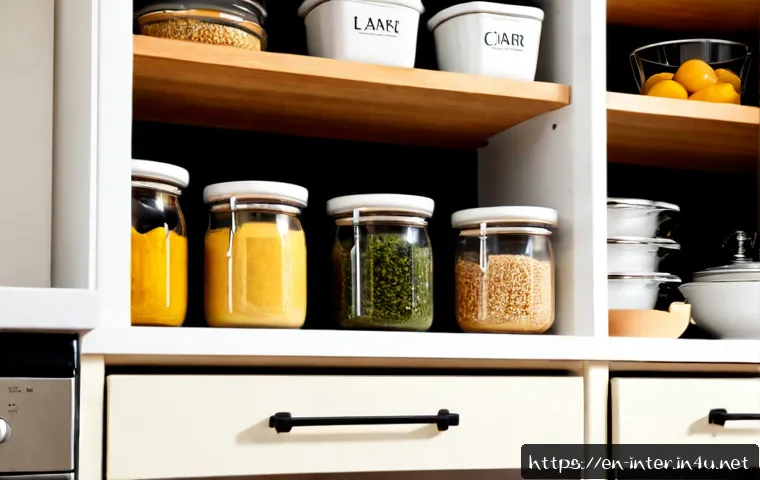
These are practical for low-cost storage upgrades because they use existing cabinets, drawers, and furniture. Clear or labeled containers can reduce searching time, especially in deep closets, cabinets, and under-bed areas. Group items before choosing container sizes so you do not end up with bins that are too shallow, too deep, or difficult to pull out.
Modular Shelving and Closet Systems
Adjustable shelving is generally more adaptable than fixed compartments. It can accommodate changing clothing, pantry items, books, supplies, or household equipment without replacing the entire system. Modular shelving and closet systems are worth comparing when you need vertical storage but still want the option to reconfigure later.
Multi-Purpose Furniture for Limited Floor Space
Beds with drawers, benches with compartments, and other storage furniture can reduce the need for separate cabinets or chests. This can be especially helpful in a bedroom or living room with little open floor area. Before ordering, confirm that drawers or lids can fully open without hitting walls, rugs, or nearby furniture.
When Custom Cabinetry or a Professional Organizer May Be Worth It
Custom cabinetry may suit a stable home layout with a specific, proven storage gap that standard products cannot address. A professional organizing service may be useful when the challenge is deciding what to keep, where categories belong, or how routines should work. Costs, installation requirements, and local availability vary, so request and compare detailed scope information before committing.
A Practical Setup Process That Avoids Expensive Mistakes
A careful setup process limits returns, drilling mistakes, and storage that becomes hard to use. The goal is not to hide everything. It is to make frequently used items accessible while keeping visual clutter under control.
Declutter and Group Items First
Sort items by how often they are used, then group like items together. This reveals how much storage is actually needed. It also prevents a common mistake: buying matching containers before knowing what must fit inside them.
Match Storage Depth to the Items
Deep storage is not automatically better. A deep cabinet can turn into a hidden pile if smaller items disappear behind larger ones. Use shallow, reachable storage for small everyday items, and reserve deeper areas for larger, grouped, or less-frequently used belongings.
Check Limits, Anchors, Rental Rules, and Returns
Wall-mounted shelves, cabinet systems, and door organizers should be checked for weight limits and mounting instructions. Overloading shelves, doors, or wall-mounted systems can create safety risks. Renters should also confirm whether drilling or structural changes are allowed, and review return terms before assembling a large shelving or closet system.
Do Not Buy Matching Containers Too Early
A coordinated look can be appealing, but it should come after the measurements and item groups are confirmed. Prioritize fit, access, and labels first. A simple mix of containers can work better than identical bins that waste usable space.
Room-by-Room Ideas for a Smaller Home
Each room needs a different balance between access and concealment. Keep pathways open, store everyday items close to where they are used, and avoid turning every open surface into storage.

Entryway: Control Shoes, Coats, Bags, and Mail
Use narrow or vertical solutions that do not block circulation. Give each daily item a defined landing place, such as a hook, shelf, basket, or compartment. If your entry is tight, freestanding or removable options may be more practical than permanent installations.
Kitchen: Use Vertical Cabinet Space and Clear Zones
Group kitchen storage by task: food, cooking tools, containers, and cleaning items. Vertical shelving can add usable capacity without taking more floor area when it is safely anchored. Keep countertops for active use rather than long-term storage whenever possible.
Bedroom: Use Under-Bed and Closet Zones
Under-bed storage can hold items that do not need daily access, while closet systems can separate hanging clothes, folded items, and accessories. A bedside alternative with enclosed storage may help reduce the need for additional furniture. Check that under-bed containers are easy to retrieve rather than becoming forgotten storage.
Living Room and Bathroom: Conceal Storage Without Visual Overload
Multi-purpose furniture can help the living room stay functional without adding multiple storage pieces. In bathrooms, categorize items so frequently used products remain easy to reach. Closed compartments can reduce visual clutter, but labels are useful when storage becomes deep or shared.
Choose the Right Storage System
Choose Portable Organizers When Renting or Moving Soon
Portable organizers are often the easiest path when lease rules are uncertain or a move is likely. Look for freestanding, tension-mounted, adhesive, or removable options that can be reused in another layout.
Choose Modular Systems When Needs May Change
Choose modular shelving or a flexible closet system when your categories, household size, or room function may change. Adjustable shelves provide more options than fixed compartments, particularly in closets and cabinets.
Choose Built-Ins When the Layout Is Stable
Built-ins are best considered when the layout is stable, standard furniture has been tested, and the remaining storage gap is clear. Confirm permissions, installation requirements, materials, and long-term use before selecting a custom solution.
Final Comparison Checklist
Compare dimensions, usable capacity, item access, weight ratings, mounting requirements, return terms, and total cost before ordering. Also consider whether the storage system will still work if you rearrange the room or move to a different home. For product-specific details, check the official listing or retailer page for dimensions, load guidance, and installation conditions.
Closing Thoughts
A less cluttered small home does not require filling every empty wall or corner. Start with the areas that slow down your routine, measure carefully, and choose storage that makes those items easier to use and put away. Portable organizers, modular shelving, and multi-purpose furniture can each be useful when matched to the right situation. The best system is one you can access safely and adjust when life changes.
Useful Things to Know
Labels matter: Clear or labeled containers are particularly helpful in deep cabinets, closets, and under-bed storage.
Vertical space needs safety checks: Shelves and cabinets can add capacity without using more floor space when they are properly anchored.
Hidden storage still needs access: If a bin is hard to pull out or a cabinet is too deep to search, it may not save time in practice.
Important Considerations
Actual storage capacity depends on room measurements, furniture dimensions, and the items in your home. Product durability, load limits, mounting methods, and installation needs vary by individual organizer or shelving system. If you rent, verify drilling and wall-mounting permissions with the property rules before making permanent changes.
Frequently Asked Questions
Q1. What is the most affordable way to add storage in a small apartment?
A1. Start with the storage you already have. Drawer dividers, labeled bins, and under-bed containers can improve access without adding large furniture. Measure first and focus on one or two high-clutter zones.
Q2. Are modular closet systems worth the cost for renters?
A2. They can be useful when the system is adjustable, portable, and compatible with rental rules. Compare mounting requirements, dimensions, weight ratings, and whether the components can work in a future home before buying.
Q3. How do I choose storage furniture without making a small room feel crowded?
A3. Prioritize furniture that serves more than one purpose, such as a bed with drawers or a bench with compartments. Confirm walking clearance, door and drawer swing, and whether the piece replaces another storage item rather than simply adding more bulk.