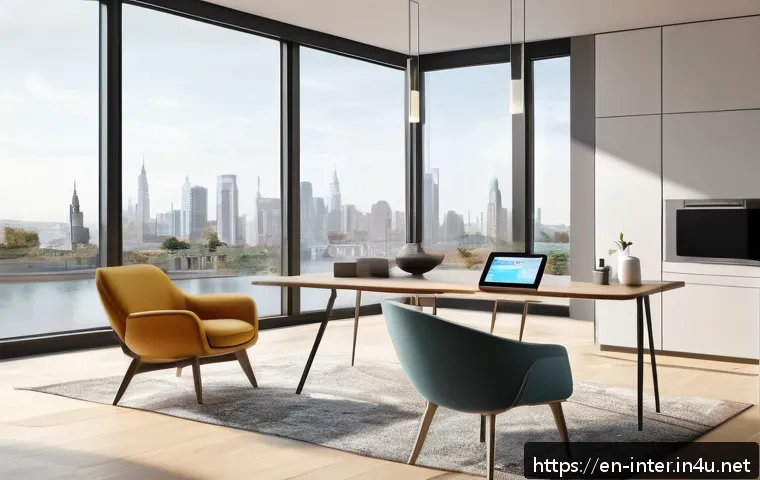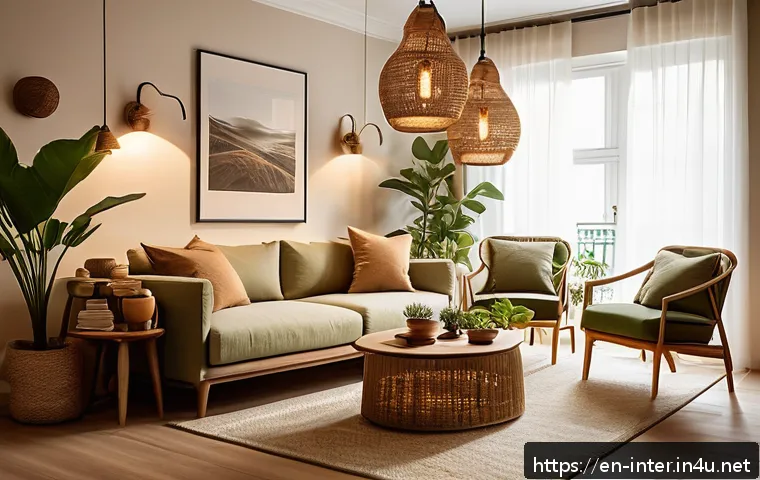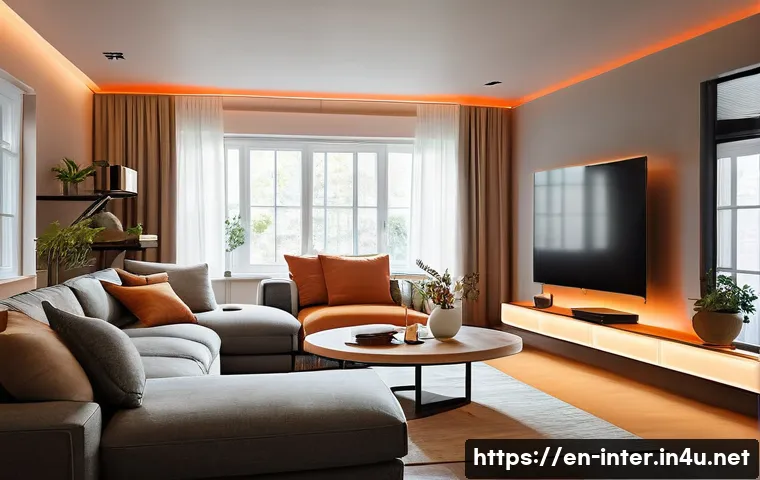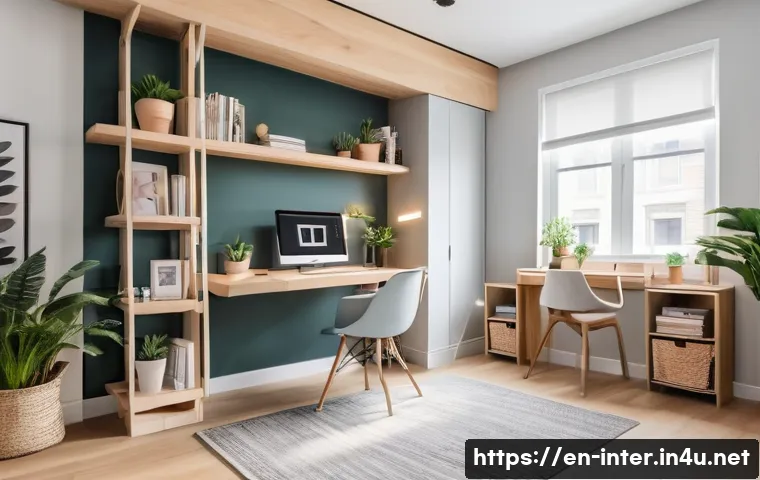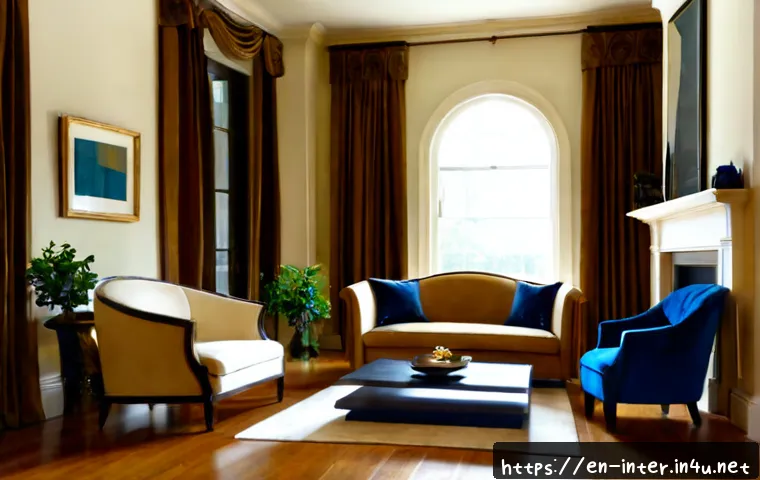
Modern classic interior design works best when you pair traditional details with clean furniture lines, a restrained palette, and balanced proportions.
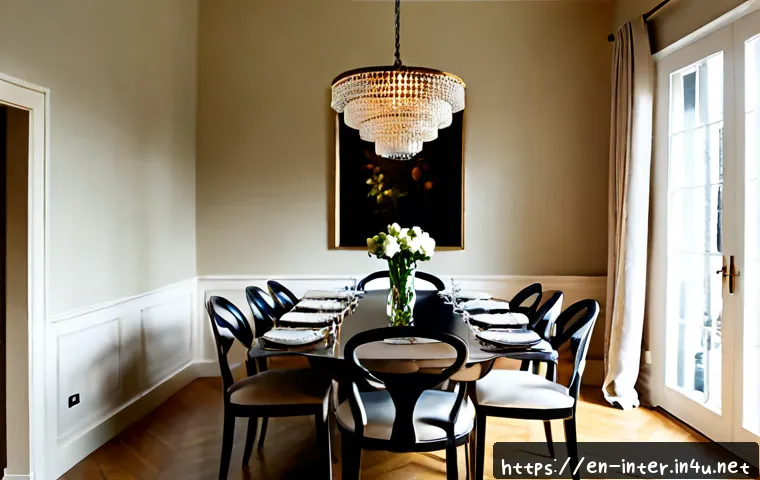
You can create the look through a simple décor refresh, a focused design consultation, or a larger renovation depending on what needs to change. The most effective approach is to invest in lasting pieces such as seating, lighting, and foundational finishes, then keep accessories selective.
This style is a practical choice for homeowners and renters who want a polished room without following short-lived trends. Before buying furniture or requesting renovation quotes, consider the room’s light, architecture, daily use, and existing pieces.
A clear plan helps prevent a space from becoming overly formal, cluttered, or visually disconnected.
At a Glance
- Modern classic combines traditional architectural references with simplified furniture and restrained ornament.
- The fastest visual improvements usually come from better lighting, balanced furniture scale, and a calm neutral color plan.
- Plan permanent work carefully; millwork, flooring, and built-in cabinetry require more coordination than movable décor.
| Approach | Best For | Typical Scope | Time and Quote Factors |
|---|---|---|---|
| DIY refresh | Rooms with a workable layout and functional finishes | Paint, lamps, curtains, rugs, artwork, and selected furniture | Time depends on sourcing and assembly; costs depend on furniture, lighting, and finish choices |
| Decorator consultation | People who need a cohesive direction before purchasing | Layout guidance, color direction, furniture selection, and lighting recommendations | Quote factors may include the room count, design brief, and level of sourcing support |
| Full-service interior design | Renovations involving multiple rooms or permanent changes | Planning, materials, millwork, furnishings, lighting, and coordination | Scope, room size, labor availability, materials, and location can affect renovation quotes |
What Makes a Home Feel Modern Yet Timeless?
A modern classic home feels composed rather than decorated all at once. It uses familiar elements such as molding, arches, stone, brass, symmetry, or tailored upholstery, but presents them with a lighter hand. The goal is not to recreate a period room. It is to make traditional references feel useful, calm, and current.
The Short Answer: Simplify Classic Details and Prioritize Proportion
Start with proportion. A large sofa needs enough visual weight around it, while a small room needs furniture that leaves clear paths for movement. If wall paneling or a ceiling detail is already present, let it do some of the decorative work. Choose simpler furniture silhouettes instead of adding heavily detailed pieces everywhere.
Symmetry can create a classic foundation, but it does not need to be rigid. Two matching lamps may frame a sofa, while different side tables or art can keep the room relaxed. A layout should still support how the household uses the space every day.
The Core Palette, Materials, and Silhouette Rules
Neutral color palettes are common because they allow materials and shape to stand out. Warm whites, soft grays, muted earth tones, natural wood, stone, linen, upholstery, and measured metal accents can work together without looking busy. A brass detail can add warmth, but it does not need to appear on every handle, lamp, and table.
For furniture, look for clean silhouettes with tailored details. Think of upholstered seating with structure, dining chairs with simple profiles, and storage that feels integrated instead of bulky. The room should have enough contrast to feel intentional, yet not so much that every surface competes for attention.
Three Quick Upgrades That Change the Look Without a Full Renovation
First, replace scattered lighting with a considered mix of ambient, task, and accent lighting. Second, use fuller window treatments that suit the height and scale of the room. Third, choose one large mirror or one meaningful art arrangement rather than many small decorative items. These updates can make an existing room feel more polished without changing flooring or built-in cabinetry.
Always review paint swatches, fabric samples, and metal finishes in the actual room. Materials can look different in daylight, warm evening light, and artificial lighting.
Modern Classic vs. Traditional vs. Contemporary: What Should You Choose?
The right direction depends on the property and the level of formality you want. Modern classic is often the middle path: it keeps warmth and architectural character while making the layout and furnishings easier to live with.
Comparing Visual Character, Maintenance, Flexibility, and Resale Considerations
Traditional interiors may use more ornament, layered patterns, and visibly formal furniture. Contemporary interiors tend toward cleaner lines, fewer decorative objects, and functional layouts. Modern classic combines the two by using selected classic cues with simpler furnishings and edited styling.
For flexibility, avoid making every choice highly themed. A neutral sofa, practical dining table, and adaptable lighting can work through future changes in art, pillows, and rugs. If resale is part of your thinking, a cohesive and well-maintained room is generally more useful than one built around a very personal decorative trend.
When Classic Architectural Details Suit the Property
Older properties and homes with existing trim, paneling, arches, or balanced window placement can naturally support a modern classic approach. Preserve details that have good proportion and fit the home’s character. If you add molding or paneling, treat it as architectural structure, not as a background for excessive decoration.
When a Cleaner Contemporary Approach Is the Better Fit
A cleaner contemporary direction may suit a compact apartment, a home with minimal architecture, or a household that prefers low-visual-maintenance spaces. You can still bring in a modern classic feeling through a tailored armchair, linen curtains, warm metals, or a stone-like surface. There is no need to force elaborate details into a room that does not support them.
Where to Spend and Where to Save in a Modern Classic Room
Spend according to permanence, daily use, and visual impact. A careful furniture selection plan helps you avoid replacing foundational items simply because they do not work with the room later.
Higher-Value Investments: Seating, Lighting, Window Treatments, and Foundational Finishes
Consider investing more time and budget in seating, primary light fixtures, window treatments, flooring, and finishes that are difficult to replace. These choices influence comfort, scale, and the overall tone of the room. Lighting deserves particular attention because temperature, placement, and scale can make the same space feel more formal or more modern.
For a renovation, compare materials and specifications carefully before committing to cabinetry, stone, flooring, or custom millwork. These are permanent or semi-permanent decisions, so samples and room measurements matter more than a quick online impression.
Lower-Risk Savings: Accessories, Accent Tables, Artwork, and Seasonal Styling
Accessories are a safer place to experiment. Accent tables, cushions, removable artwork, decorative objects, and seasonal styling can change as your taste develops. Keep the collection edited. One sculptural object, a stack of books, or a ceramic vessel can be more effective than filling every open surface.
DIY Refresh, Designer Consultation, or Renovation Contractor: Comparing the Scope
A DIY refresh can work when the room needs visual direction rather than construction. An interior design consultation can be helpful when you are uncertain about layout, lighting scale, or furniture combinations. For structural work, electrical changes, cabinetry, or major finishes, a renovation specialist may be needed alongside design planning.
When comparing interior design services or renovation quotes, ask what is included: drawings, sourcing, material selections, purchasing support, site coordination, and revisions can vary. Confirm local requirements with qualified professionals when building permissions, electrical work, or structural changes are involved.
Build the Look Step by Step Without Making It Feel Formal
Modern classic rooms look easiest when they are built in layers. Begin with the practical decisions, then add character gradually.
Start With Layout, Scale, and a Restrained Color Plan

Place major furniture first. Define conversation areas, dining circulation, and storage needs before choosing decorative finishes. Use a restrained palette across walls, upholstery, and larger textiles, then introduce contrast through wood tone, artwork, metal, or darker accents.
Layer Texture Through Wood, Stone, Linen, Metal, and Upholstery
A room does not need many colors if it has varied texture. Linen softens tailored furniture. Wood brings warmth. Stone adds visual weight. Metal provides a controlled highlight. Upholstery can make clean-lined furniture feel comfortable rather than stark. Repeat materials in small ways, but do not match every finish exactly.
Use Molding, Mirrors, and Art as Structure Rather Than Clutter
Wall molding, mirrors, and art should reinforce the room’s proportions. A mirror can reflect light and give a wall a clear purpose. Art can anchor a seating area or dining zone. Leave breathing room around these elements so they read as intentional parts of the design.
Common Mistakes: Matching Every Finish, Undersized Lighting, and Too Many Statement Pieces
Matching every metal, wood tone, and fabric can make a room feel staged. Undersized lighting can make even good furniture look unbalanced. Too many statement pieces create visual noise. Choose a small number of strong elements, then let quieter pieces support them.
Room-by-Room Ideas for Living Rooms, Bedrooms, Kitchens, and Apartments
The style should adapt to the room’s function. A modern classic kitchen needs durability, while a bedroom benefits from softer contrast and fewer visual demands.
Living Rooms: Symmetry Without Stiffness
Use a sofa as the anchor, then add chairs or side seating based on the room’s actual footprint. Matching table lamps or paired chairs can establish balance. Soften the arrangement with a textured rug, one larger artwork piece, or an accent chair in a related but not identical fabric.
Bedrooms: Tailored Comfort With Softer Contrast
In bedrooms, a structured upholstered headboard, simple bedside lighting, and layered bedding can create the look without overfilling the room. Keep contrast softer than in a living area. Black, deep wood, or brass details can be effective in small doses, especially when balanced with calm textiles.
Kitchens and Dining Spaces: Cabinetry, Hardware, and Durable Surface Choices
Kitchen and dining decisions should balance appearance with daily use. Cabinetry profiles, hardware, lighting, and durable surfaces all influence the result. A simple cabinet form paired with considered hardware can feel more current than an overly ornate design. Review finish samples under the lighting you will actually use in the space.
Small Spaces and Rentals: Removable Updates With a Polished Result
Renters and apartment residents can focus on movable furniture, plug-in or portable lighting where appropriate, curtains, rugs, mirrors, and removable artwork. Choose fewer, better-scaled pieces rather than filling the room with small items. Avoid permanent changes unless your lease, building rules, and local requirements allow them.
Selection Criteria and Comparison Summary
Before you buy or renovate, use this short checklist:
- Check whether each furniture piece suits the room’s scale, circulation, and daily use.
- View paint, stone, fabric, wood, and metal samples in daylight and evening lighting.
- Compare lighting by placement, visual size, and the role it needs to serve in the room.
- Separate lasting investments from changeable décor before setting a furniture budget.
- When reviewing contractor quotes, confirm the scope, materials, timeline assumptions, and responsibilities.
- Consider interior design services if you are making several connected decisions at once or changing permanent finishes.
For the strongest visual impact, start with layout, lighting, and the largest furniture pieces. Then compare lighting, furniture, paint, and design-service options based on your room’s needs. Official service details, product specifications, and quote conditions should be checked on the relevant provider or retailer page.
Conclusion
Modern classic interior design is less about buying a fixed set of items and more about making balanced choices. Keep the architecture and larger furniture calm, then add character through texture, lighting, and a few well-chosen details. A DIY update may be enough for a functional room, while permanent work benefits from more careful planning. The final space should feel refined, but still comfortable to use every day.
Useful Things to Know
1. A room can look modern classic without wall molding or custom cabinetry; proportion and lighting matter first.
2. Warm and artificial light can change how paint, stone, and upholstery appear.
3. A neutral foundation makes future furniture and artwork changes easier.
4. More decoration does not necessarily create more character.
Important Notes
Furniture, renovation, contractor, and interior designer costs vary by location, project scope, labor availability, material grade, and room size. The right layout, color palette, and finish selection depend on the property, natural light, existing furnishings, and household needs. Confirm structural work, electrical changes, permissions, and building requirements with qualified local professionals where required.
Frequently Asked Questions
Q1. Is modern classic interior design expensive to achieve?
A1. It does not have to require a full renovation. A room can move toward the style through a restrained color plan, better lighting, tailored textiles, and carefully selected furniture. Costs depend on the scope, materials, and whether permanent changes are involved.
Q2. Which furniture pieces are worth investing in for a modern classic living room?
A2. Prioritize pieces used every day and those that set the room’s scale, such as the sofa, main chairs, primary lighting, window treatments, and foundational finishes. Smaller décor items are generally easier to update later.
Q3. Can modern classic style work in a small apartment or rental?
A3. Yes. Focus on well-scaled movable furniture, rugs, curtains, mirrors, lighting, and edited artwork. A small space usually benefits from fewer objects and clear walking paths rather than heavier architectural additions.
Q4. Should I hire an interior designer for a modern classic renovation?
A4. A designer may be worth considering when you are making connected choices about layout, lighting, furniture, finishes, or built-ins. For structural, electrical, or permission-related work, confirm requirements with qualified local professionals.
Q5. What colors make a modern classic room look current rather than outdated?
A5. Calm neutrals with considered contrast are a reliable starting point. Warm whites, soft grays, muted earth tones, natural wood, and limited darker or metallic accents can feel current when paired with clean furniture lines and uncluttered styling.